
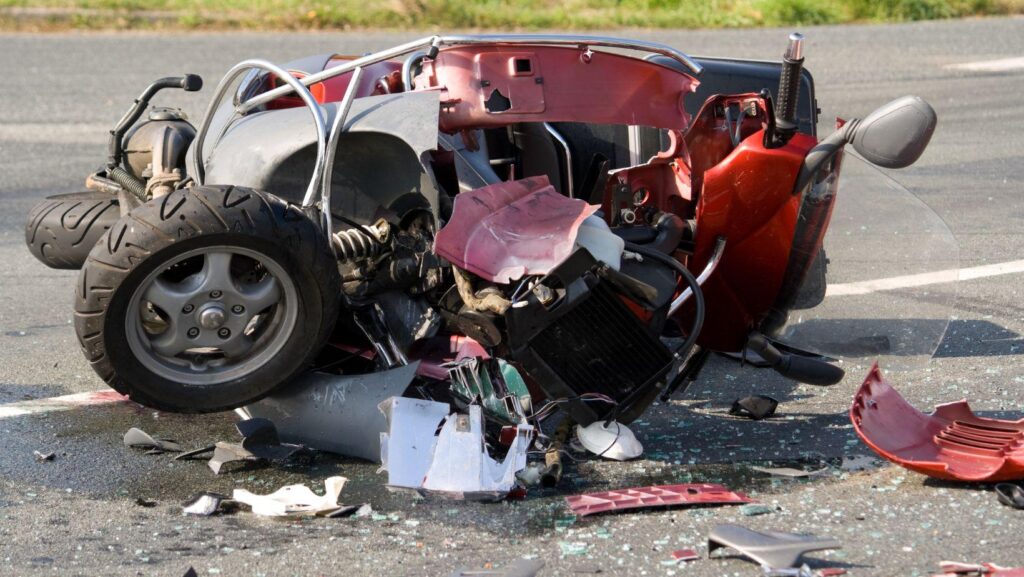
There's a freedom that comes with riding a motorcycle that is hard to replicate in any other vehicle. The open air, direct connection to the road, and ability to experience every mile in a more personal way are part of what draws so many riders to two wheels.
That freedom also comes with responsibilities that many riders don't fully appreciate until they're involved in an accident. Unlike passenger vehicles, motorcycles are subject to specific rules and requirements that can affect everything from traffic citations to insurance claims and injury compensation.
A solid understanding of motorcycle laws in Texas can make a significant difference after a crash. Insurance companies often look closely at whether a rider followed applicable safety requirements, licensing rules, and operating regulations when evaluating liability and determining how a claim should be handled.
What Riders Should Know About Helmet Rules
One of the most commonly discussed motorcycle laws involves helmet use. Many people assume every rider must wear a helmet at all times, but Texas law contains certain exceptions that often create confusion.
Qualified riders who meet specific legal requirements may be permitted to ride without a helmet under certain circumstances. Those requirements generally involve age thresholds and compliance with state standards regarding insurance or approved safety training.
Even when riding without a helmet is legally permitted, the decision can become an issue after an accident. Insurance companies may attempt to argue that helmet use could have reduced certain injuries, particularly when head trauma is involved. Understanding the law beforehand helps riders make informed decisions about both safety and potential legal consequences.
Lane Splitting Creates Serious Risks
Traffic congestion can tempt riders to squeeze between vehicles to keep moving. While it may seem like an efficient way to avoid sitting in traffic, lane splitting can create significant safety and legal concerns.
Drivers in passenger vehicles often do not expect motorcycles to appear between lanes of traffic. Sudden lane changes, opening gaps, or unexpected movements can leave riders with very little time to react when traveling through narrow spaces.
After a collision, insurance adjusters frequently examine whether lane splitting played a role in the accident. If a rider was operating in a manner prohibited by law, that fact may become part of the liability discussion and could complicate efforts to recover compensation for injuries and damages.
Insurance Isn't Just a Legal Requirement
Liability insurance serves an important purpose for every motorist, but it becomes especially important for motorcycle operators. Riding without proper coverage can lead to consequences that extend well beyond a traffic citation.
During a routine traffic stop, law enforcement officers can verify insurance status electronically. A lapse in coverage may result in fines, administrative penalties, and additional legal complications depending on the circumstances.
Insurance also provides a critical financial safety net after an accident. Medical expenses, property damage claims, and legal disputes can become expensive very quickly. Maintaining proper coverage helps protect riders from significant financial exposure while ensuring compliance with state requirements.
Your Motorcycle License Matters
Operating a motorcycle requires a different skill set than driving a passenger vehicle. For that reason, Texas requires riders to obtain the appropriate motorcycle endorsement before legally operating on public roads.
Holding a valid Class M license demonstrates that a rider has completed the necessary requirements and possesses the qualifications required to operate a motorcycle legally. This credential often becomes part of the documentation reviewed after a serious collision.
If licensing issues arise during a claim investigation, insurance companies may ask additional questions regarding the rider's qualifications and legal status at the time of the accident. Keeping licensing credentials current helps eliminate unnecessary complications when dealing with insurers after a crash.
Conclusion
Motorcycle laws exist to promote safety, establish accountability, and create clear standards for everyone who shares the road. Riders who understand these requirements place themselves in a stronger position both on the highway and after an accident.
Helmet regulations, lane usage rules, insurance requirements, and licensing obligations all play a role in how claims are evaluated. Small compliance issues that seem unimportant today can become major points of contention during an insurance investigation.
Following the rules consistently helps protect both your physical safety and your legal rights. When a crash occurs, riders who have complied with applicable laws are often better positioned to defend their actions and pursue the compensation they may be entitled to receive.