
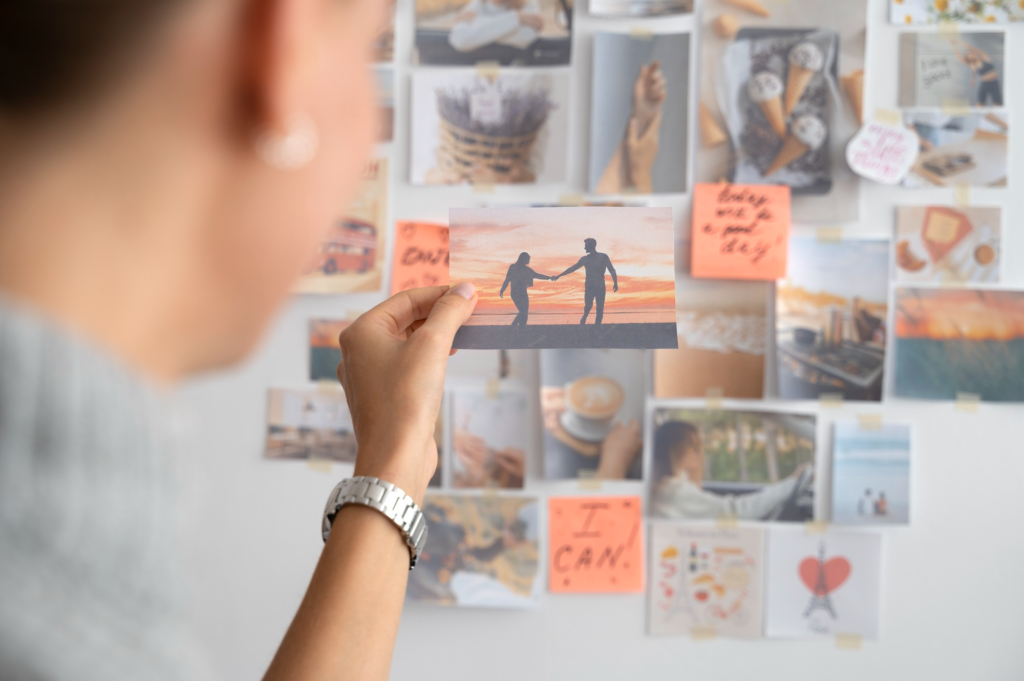
Smartphones store thousands of photos. Users take pictures during holidays, birthdays, and weekend trips. However, keeping digital files on a hard drive means people rarely look at them. Digital files get lost. Phones break. Hard drives fail. Cloud storage accounts run out of space and require monthly payments to maintain.
Users need a different approach to photo storage. Many people now prefer physical items. They want objects to hold, hang on walls, or put on tables. Traditional photo albums take too much time to build. Placing individual photos into plastic sleeves is a slow process that people often abandon.
This guide explains how to move photos from digital screens to physical formats. These methods create items that fit into a daily routine. They serve a clear purpose and organize existing clutter. Below are five practical methods to preserve family records using physical media.
1. Turning Photographs into Gallery-Style Wall Art
Printing photos and hanging them on walls is a direct way to display digital files. Large prints have more impact than hundreds of standard 4×6 photos stored in boxes. This method requires users to review digital files and select only the highest quality images.
Choosing the Right Format
Printing materials affect the final look of the photo. Traditional framed prints fit formal rooms. Metal prints provide a modern look suitable for industrial design. Acrylic prints offer high contrast, making colours appear brighter.
Canvas is a common option. It has a textured surface that reduces glare. This is useful in rooms with large windows. For high-quality canvas prints Canada provides local printing options that use solid wood frames and archival inks. This prevents the canvas from sagging or fading over time.
Placement in the Home
Scale is important when hanging art. A small print on a large wall looks out of place. Users should create a gallery wall in hallways or staircases. This involves mixing different print sizes. Users start with a large central print and add smaller images around it.
Another option is hanging one massive print above a bed or sofa. Gallery walls require a consistent theme or colour palette. For example, printing all summer vacation photos in black and white creates a uniform look.
2. Crafting Custom Memory Quilts from Clothing
Not all memories are captured in photographs. Often, the items we associate most strongly with a specific time are pieces of clothing. Baby clothes are a prime example. Kids grow out of their clothes in a matter of months, leaving parents with bins full of outfits they do not want to throw away, but also cannot use.
Selecting the Materials
A memory quilt solves this storage problem by turning those clothes into a functional item. You can use almost any soft fabric for this project. The key is to select items that have a strong association or a distinct pattern. You do not need the entire garment; just a square cut from the front or back is enough.
Consider using these materials:
- Baby clothes and receiving blankets.
- Old sports jerseys from local leagues.
- Cotton t-shirts from concerts or events.
- Flannel shirts or thick sweaters.
- Denim jeans or heavy jackets.
Sort the clothing bins. Select the required pieces. Wash and dry all items. Washing old clothes removes dust and odors. Do not use fabric softener. Fabric softener leaves a residue that makes sewing difficult.
The Construction Process
Making a quilt requires basic sewing tools. Users need fabric scissors, a ruler, and a rotary cutter. Cut the clothing into identical squares. Standard sizes are 12×12 inches or 15×15 inches. Use a hot iron to remove all wrinkles. Wrinkles cause the fabric to fold during the sewing process.
T-shirt material stretches during sewing. Users must iron lightweight interfacing to the back of each cotton square. Arrange the squares in a grid pattern on the floor. Sew the rows together using a sewing machine. Attach a backing fabric. Place a layer of cotton batting between the top layer and the backing fabric. Sew the three layers together. Thread selection is important. Use heavy-duty cotton thread for denim and standard polyester thread for t-shirts.
3. Designing Annual Structured Photo Books
Traditional scrapbooking is messy and time-consuming. Buying individual prints, cutting them out, writing captions by hand, and using double-sided tape takes hours. A much more efficient way to handle a massive volume of digital photos is to create printed annual photo books.
Organizing the Digital Clutter First
The hardest part of making a photo book is not the design; it is the sorting. Before you open a book-making website, you need to organize your files. Create a folder on your computer for the year, say “2025”. Inside that folder, create twelve subfolders for each month. Go through your phone and copy only the best photos into the corresponding month. Be ruthless. If you took ten photos of the same sunset, save only one. You only need about ten to twenty photos per month to make a great annual book.
Choosing Layouts and Themes
Upload the sorted folders to a photo book printing website. When uploading images, check the resolution warnings. Most printing websites show a warning icon if the photo is too small. Do not print low-resolution photos.
Use manual layout options instead of automated tools. Keep the page design simple. Use clean white backgrounds. Do not use digital stickers or complex fonts. Place one or two images on each page. Review the paper types. Matte paper hides dust and looks professional.
Users can structure books in different ways:
- Chronological year-in-review summaries
- Specific major vacations or summer road trips
- A dedicated book for a major life event or milestone
Add short text captions to provide context. You might think you will remember the name of that specific beach in Nova Scotia or the restaurant in Montreal, but ten years from now, you will probably forget. A simple date and location are all you need. Printing one consistent book at the end of every year creates a tidy, uniform encyclopedia of your family history that sits perfectly on a shelf.
4. Building Physical Memory Boxes and Time Capsules
Photos and textiles only tell part of the story. Life leaves behind a lot of paper and small objects that do not fit into an album or a quilt. Movie tickets, handwritten letters, report cards, hospital bracelets, and travel souvenirs are physical artifacts of your daily life.
What to Include
A memory box is a dedicated place to store these three-dimensional items. The rule for a memory box is quality over quantity. If you save every single drawing your child makes, you will need a storage unit. Instead, save one or two representative pieces per year. Keep items that have specific stories attached to them.
Good items to keep in a memory box include:
- Handwritten letters, greeting cards, and postcards.
- Printed programs from local theatre plays.
- Travel souvenirs, such as foreign coins.
- Keys from previous apartments or vehicles.
- Physical maps from long road trips.
Items with handwriting on them are especially valuable. Over time, seeing the handwriting of a grandparent or an old friend becomes incredibly meaningful.
Storage and Presentation
Avoid using standard cardboard boxes. Cardboard absorbs moisture and attracts insects. Cardboard also degrades quickly. Purchase a dedicated storage container. Wooden boxes with metal hinges and tight lids work well.
Archival-quality boxes are another option. Museums use these because they are acid-free. Acid-free materials prevent paper items from turning yellow. Remove staples and paperclips from old documents. Metal clips rust over time and leave orange stains on paper. Use plastic paperclips if you need to keep pages together.
Use a medium-sized box. A limited size forces users to select items carefully. Store the box on a shelf in a living area. Do not put it in a damp basement or garage.
5. Creating a Heritage Family Recipe Book
Food connects directly to past events. Family recipes are often written on loose paper or index cards. These papers get stained and torn. Some recipes are not written down at all.
Gathering the Recipes
A recipe book records cooking instructions. Ask relatives to write down their standard meals. Request exact ingredient measurements and step-by-step cooking instructions. Also, record the background information. Write down when the recipe was first used and who created it.
Ask relatives about substitute ingredients. Older recipes often use ingredients that are hard to find today. Write down the modern alternatives next to the original text. Include temperature conversions. Old Canadian recipes might use Fahrenheit, while modern ovens use Celsius. List both temperatures.
Collect all old, handwritten recipe cards. Do not discard them. Scan these cards using a flatbed scanner or a smartphone scanning app. Save the files as high-resolution images.
Formatting and Printing
Use a word processor or a photo book layout tool to compile the recipes. Type the instructions on the left page using a standard, easy-to-read font. Place a photo of the finished meal on the right page. Add the scanned image of the original recipe card below the text.
Organize the book into logical sections:
- Breakfast meals and baked goods.
- Soups, salads, and small appetizers.
- Main courses involving meat or fish.
- Vegetarian dishes and side items.
- Desserts, cakes, and holiday baking.
Create a detailed index at the back of the book. This allows users to find specific recipes quickly. Once the document is complete, save it as a PDF file. Use an online self-publishing service to print hardcover copies. The service will bind the pages and ship the books. Distribute these printed books to family members.
Conclusion
Storing files only on digital devices carries risks. Technology platforms change. Hardware components break. Digital files remain hidden in computer folders. Converting digital data and physical objects into structured formats solves this problem.
Users can hang canvas prints, sew clothing quilts, print annual books, fill wooden boxes, or publish family cookbooks. These five methods require initial organization and physical effort. However, they produce tangible items. These objects sit in physical environments where people can see and use them daily. Select one method from this list. Gather the necessary materials and start organizing the files today. Building physical records ensures that data is not lost to hardware failures.