
Choosing an orthodontist in London can feel deceptively simple: the city is packed with clinics, ads for “same-day braces,” and influencer-friendly aligner brands. Yet orthodontic treatment isn’t like buying a new phone plan. You’re committing months (sometimes years) of your time, your comfort, and your long-term dental health to a clinician’s judgement.
So how do you separate genuinely excellent care from glossy marketing? The good news is that “trusted” isn’t a vague concept here. In the UK, orthodontics is tightly regulated, and there are clear signals—credentials, processes, transparency—that consistently correlate with quality outcomes.
Start with the basics: confirm professional credentials
Before you compare treatment types or prices, verify that the clinician is properly registered. In the UK, dentists and orthodontists must be listed with the General Dental Council (GDC). A quick check of the GDC register confirms whether someone is licensed to practise, and whether they’re a specialist orthodontist (not just a general dentist offering braces).
Specialist vs. dentist offering orthodontics: what’s the difference?
Many general dentists provide aligners or limited orthodontic cases—and some do it well. But a Specialist Orthodontist has completed additional years of full-time training focused specifically on tooth movement, bite correction, and facial growth. That extra depth matters if:
- your bite is off (overbite, underbite, crossbite)
- you’ve got crowding with limited space
- you’re considering extractions or jaw-related work
- you want predictable results with fewer surprises
If your case is straightforward, you may have options. But when complexity rises, specialist oversight becomes more than a “nice to have.”
Look for a clinic that leads with diagnosis, not products
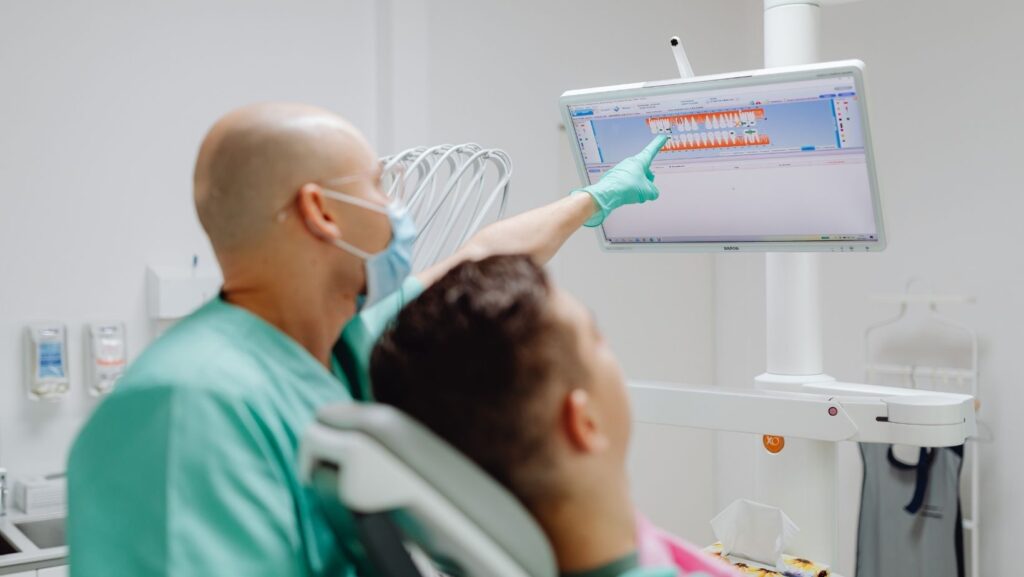
A reliable orthodontic provider will spend more time understanding your bite than talking about brand names. Beware any practice that pushes a single solution for everyone—whether that’s fixed braces or clear aligners—without showing you what’s actually happening in your mouth.
What a thorough assessment should include
In London, modern clinics typically use a mix of:
- full dental and medical history review
- photographs and a bite assessment
- digital scans or impressions
- radiographs (commonly an OPG; sometimes a ceph for bite/jaw analysis)
- a written treatment plan explaining options and trade-offs
At around this stage of your research—once you’re comparing clinicians rather than just browsing ads—it’s helpful to look at how established practices explain their approach and treatment scope. For example, sites like London-based orthodontic experts can be useful as a reference point for what comprehensive orthodontic services and patient information typically look like when a clinic is set up for long-term outcomes, not quick conversions.
The point isn’t to be dazzled by technology; it’s to see whether the clinic uses tools to support sound decisions.
Read reviews like an investigator, not a shopper
Online reviews matter, but the way you read them matters more. A clinic with hundreds of five-star ratings might still be a poor fit if the praise is focused on parking, playlists, or “fast appointments,” rather than treatment quality.
What to look for in credible feedback
Pay attention to reviews that mention:
- clear explanations of options and risks
- how problems were handled (broken wires, refinements, discomfort)
- whether timelines were realistic
- retention and follow-up care after braces/aligners
- results that improved bite function, not just straightness
Also note the tone of negative reviews. Every clinic gets occasional complaints; trusted practices tend to respond calmly, protect patient confidentiality, and address process issues without being defensive.
Understand the London-specific realities: availability, pricing, and aftercare
Orthodontic care in London spans NHS pathways, private specialist clinics, and corporate chains. Each can be legitimate—but they differ in access, continuity, and flexibility.
NHS vs private: the practical trade-offs
- NHS orthodontics is typically for eligible under-18s with significant need, and waiting lists can be long depending on borough. You may have limited choice of appliances and appointment times.
- Private orthodontics offers broader appliance choice (including aesthetic options), more flexible scheduling, and often shorter waits. But you’ll want clarity on what’s included in the fee.
In London especially, aftercare is a big deal. People move house, change jobs, travel frequently, and juggle packed diaries. A good clinic plans for this with robust retention protocols and clear policies on repairs, lost retainers, and emergencies.
Transparency: the hallmark of trustworthy pricing
Orthodontic fees can look simple on a website, then become complicated once “extras” appear. Ask for a written breakdown. Specifically, confirm whether your quote includes:
- records (scans, X-rays, photos)
- fitting and adjustments
- emergency appointments
- aligner refinements (if relevant)
- retainers (type, number of sets)
- retention reviews (how long you’re monitored)
A reputable provider won’t dodge these questions; they’ll welcome them.
Ask smart questions at your consultation
A consultation is less about being “sold” a plan and more about seeing how the clinician thinks. You’re looking for calm confidence, clear reasoning, and an ability to explain trade-offs without jargon.
Here are a few questions that quickly reveal quality—use what’s relevant and skip the rest:
- What bite issues do I have beyond crooked teeth, and why do they matter?
- What are my treatment options, and what are the pros/cons of each?
- Will I need IPR (tooth reduction), extractions, or elastics?
- If I choose aligners, how do you handle refinements and tracking problems?
- What would make my case take longer than expected?
- What’s your retention plan, and how often will you review my retainers?
- Who will I see at each visit—the orthodontist or a colleague?
The best clinicians don’t promise perfection. They explain probability.
Spot the red flags early
London’s orthodontic market is competitive, and that can push some providers toward speed and volume. Be cautious if you notice:
Overpromising and “one-size-fits-all” treatment
If you’re guaranteed a perfect smile in a fixed number of weeks without records or a proper bite discussion, slow down.
Weak retention planning
Teeth naturally want to move back. If a clinic barely mentions retainers, that’s a concern—not a convenience.
No discussion of risks
Every orthodontic treatment carries risks (root resorption, gum issues, decalcification, discomfort). Trusted clinicians acknowledge them and explain how they minimise them.
Choose the provider you’d trust when things don’t go perfectly
Most orthodontic journeys include a few bumps: a bracket comes loose, an aligner stops tracking, a retainer cracks. The real test of a clinic isn’t whether those things happen—it’s how they respond.
In the end, trusted orthodontic care in London looks surprisingly consistent: verifiable credentials, thorough diagnosis, transparent fees, and a retention plan that treats your result as something to protect, not just achieve. If you focus on those fundamentals, you’ll make a decision you can feel good about—long after the braces come off.