
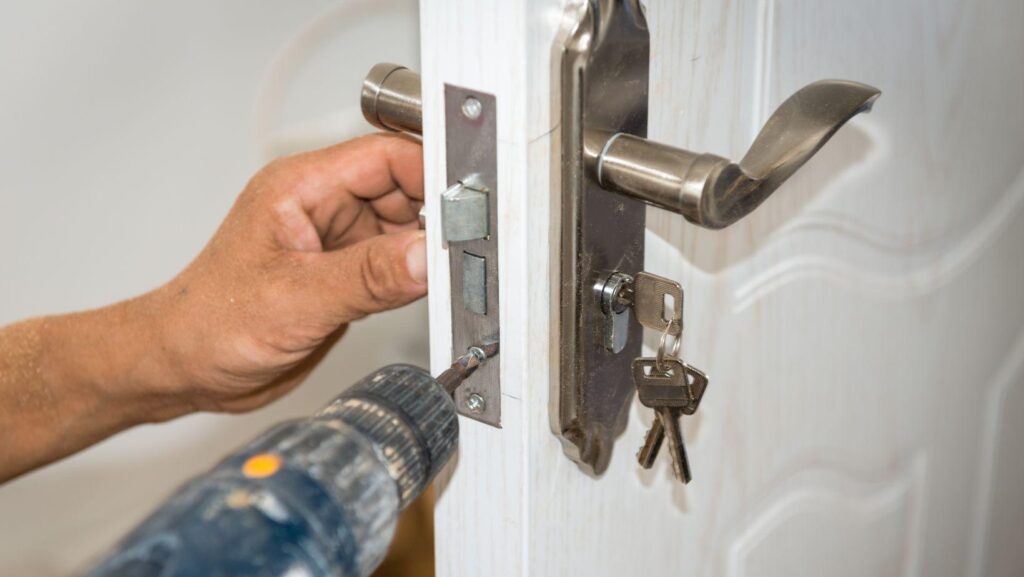
Knowing when to replace door locks — versus simply servicing them — is the difference between a planned five-minute job and a lock that snaps a key at the worst possible moment. Locks live in a category of home maintenance that’s invisible right up until it strands you, which is why failures always seem to happen on a freezing night with your hands full. A little attention to the hardware you touch a dozen times a day prevents most of the drama.
The warning signs a lock is failing
A lock degrades gradually, not suddenly, and the signs are easy to dismiss because they creep in:
Each is the lock telling you it’s near the end of its reliable life. Ignored, they progress to the failure everyone dreads: the key that snaps in the barrel, or the lock that won’t open at all. The maintenance window is the weeks of stiffness before the break — and almost everyone misses it.
Five-minute habits that prevent failures
When to replace rather than repair
Replace when you see worn internal mechanisms that don’t turn smoothly even after lubrication, corrosion, hardware that no longer meets a modern security standard, or any lock after a lost key or break-in attempt. For renovations especially, upgrade hardware while access is easy and the budget’s open — far cheaper than retrofitting later.
Local knowledge helps here: a locksmith working an area daily knows the common door types and security standards for that suburb’s housing. A homeowner in Sydney’s west searching for a locksmith in Blacktown, for instance, wants someone who matches the hardware to the home rather than upselling a one-size fitting.
DIY or call a locksmith?
Lubrication, tightening and basic adjustment are homeowner territory. Fitting a new lock to a door that wasn’t pre-bored, matching a security standard, rekeying multiple locks to one key, or freeing a failed mechanism without damaging the door reward proper tools. The honest test: if the job involves cutting, boring or matching to a standard, it’s professional work. When replacement or proper fitting is the answer, a dependable operator like TQN Locksmith turns it into a quick, clean job.
FAQ
When should I replace a door lock instead of repairing it? Replace when the mechanism is worn or corroded, won’t turn smoothly after lubrication, falls short of modern security standards, or after a lost key or break-in attempt. Otherwise, servicing usually restores it.
How often should door locks be serviced? A twice-yearly check — lubricate, tighten screws, test every external door — keeps locks reliable and catches stiffness before it becomes a snapped key.