
How Mindful Parenting Supports a Toddler’s Emotional Development
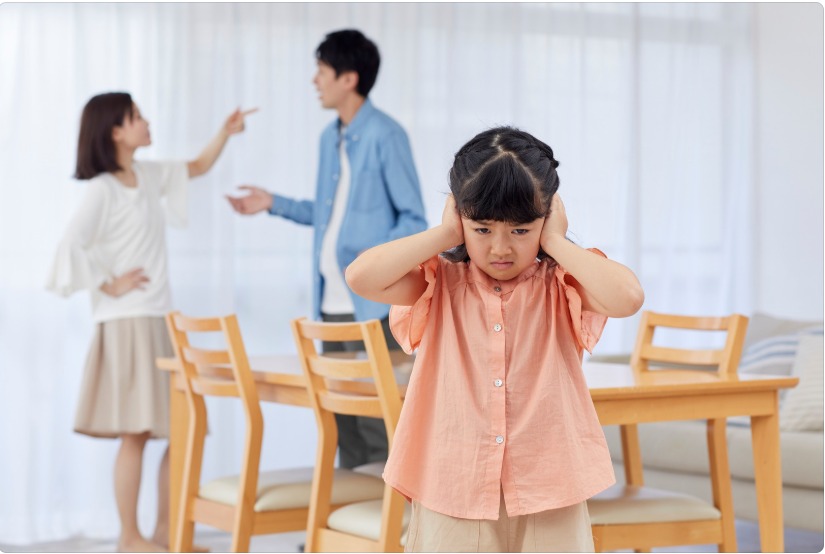
Toddlers absorb the world through observation, often learning more from what they see than what they hear. When parents slow down before responding, practice patience during moments of conflict, or follow soothing daily routines, children internalize these calm behaviors and use them as emotional building blocks. Mindful parenting allows toddlers to feel acknowledged, valued, and truly understood. This nurtures emotional safety, eases anxiety, and strengthens their ability to cope with frustration. Over time, children raised in mindful environments often develop deeper empathy and healthier emotional regulation.
Simple Ways to Shift from Autopilot to Intentional Parenting
Life’s constant demands can push parents into automatic mode, responding out of habit rather than thoughtful awareness. Small, intentional adjustments can gently break that cycle. Putting the phone away during play, maintaining soft eye contact while speaking, or kneeling to your toddler’s level to listen fully can transform the quality of everyday interactions. Intentional parenting isn’t about being perfect. It’s about pausing long enough to tune into what your child needs in that exact moment and offering presence instead of distraction.
How Mindful Breathing Gently Reshapes Parent-Child Interactions
The breath becomes a steady anchor. Slow, intentional breathing calms the body’s stress response and clears emotional fog. When parents demonstrate deep, measured breaths, toddlers learn that calm is something they can return to even when emotions run high. A simple practice—inhale deeply, pause briefly, exhale slowly creates a small but powerful space between feeling and reacting. This not only soothes the parent but often softens the toddler’s own emotional intensity, shifting the entire tone of the moment.
Steps for Responding with Calm Instead of Reacting with Anger
Toddlers naturally test boundaries, often loudly and with great emotion. Instead of meeting that intensity with frustration or raised voices, mindful parents pause, breathe, and first acknowledge the child’s feelings. A gentle statement like, “I see that you’re upset,” validates their experience without adding fuel to the moment. From there, calm redirection helps guide them toward safer behavior. Choosing calm over anger teaches toddlers that big feelings can be expressed and managed safely. This builds trust and makes future conflicts less overwhelming.
Why Mindful Play Restores Connection Better Than Multitasking
Play is the heart of a toddler’s world, and its magic unfolds most deeply when parents are fully present. Half-focused play scrolling emails while stacking blocks, dilutes the joy and connection both parent and child deserve. Mindful play means stepping fully into your toddler’s universe, whether you’re painting, building, or simply sharing a burst of giggles. These shared moments strengthen bonds, create cherished memories, and unexpectedly ease parental stress. This kind of genuine engagement acts like a quiet reset for both sides, leaving everyone calmer and more connected.
How Parental Well-Being Shapes a Toddler’s Emotional Environment
Toddlers are incredibly sensitive to their caregivers’ emotional states. A tired or overwhelmed parent can unintentionally create tension that echoes through the home. A parent who makes time for rest, healthy routines, and moments of emotional care fosters a more harmonious atmosphere. Simple acts an unhurried walk, a few journaling minutes, or quiet solitude, restore balance and clarity. When caregivers nurture their own well-being, they model self-respect and provide toddlers with a comforting, stable foundation to grow from.
How Reducing Alcohol Encourages Clearer, Calm-Rooted Parenting
During stressful times, alcohol may feel like an easy escape. But while the relief is temporary, its effects, reduced patience, disrupted sleep, and foggy judgment, can make toddler-parenting significantly harder. Drinking less allows parents to feel more grounded, emotionally steady, and present with their children. Toddlers benefit from witnessing healthier coping strategies, and parents gain the clarity to respond with thoughtfulness instead of reactivity. Tracking habits, setting alcohol-free days, swapping drinks for refreshing non-alcoholic alternatives, or using a supportive app like Sunnyside can help build these healthier patterns.
Why Mindful Play Offers Deep Restoration for Parent and Child
When parents engage wholeheartedly in play, it becomes almost meditative. Time slows. Laughter fills the space. Stress loosens its grip. Unlike scattered multitasking, mindful play helps both parent and child emotionally recharge. Quality outweighs quantity. Just a few minutes of focused, joyful play can bring balance back into the day and soften the weight of parenting pressures.
Conclusion
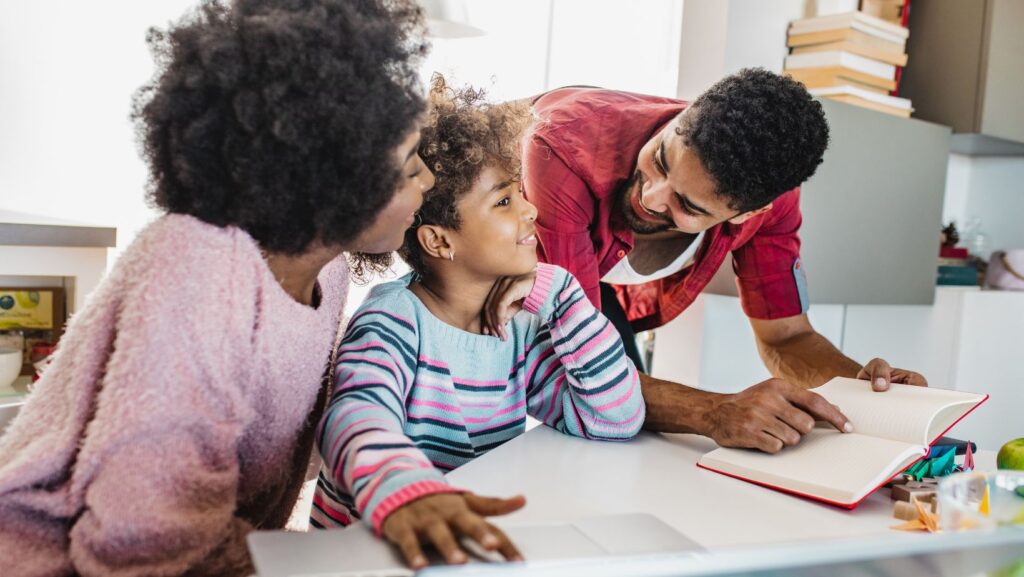
Parenting a toddler will always bring surprises, challenges, and emotional highs. Yet stress doesn’t have to overtake the experience. Mindful parenting brings gentle, effective tools into daily life, steady breathing, compassionate responses, and meaningful play. By caring for their own well-being and reducing habits that cloud clarity, parents create a nurturing home where toddlers feel safe, understood, and deeply supported. Choosing mindfulness not only brings calm to the parenting journey but also gifts young children the emotional resilience and connection that will support them throughout their lives.