
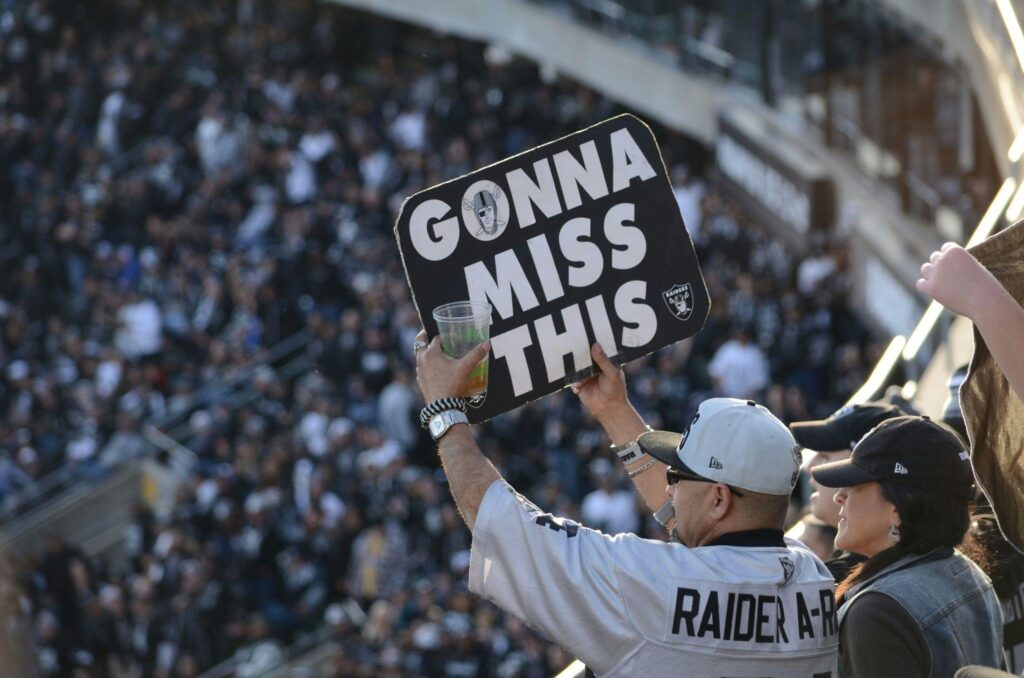
Being a fan of a team can be exhausting. Dysfunction, bad luck, heartbreak, and apathy are but some of the major things behind these feelings. However, the very first negative emotion that you feel as a fan is anxiety, which happens long before the game even starts.
The natural way to offset this reality is to remind yourself of why exactly you are a fan. Is it an inherited affiliation that allows you to connect with your family? Does it transport you back to a time when the team you’re rooting for was great or simply endearing?
Well, ultimately, it’s all about passion. You have a special kind of love for the sport itself, and your emotional ties to the team allow you to feel a sense of competitiveness and belonging that not many other social experiences can allow you to.
In this article, we will openly discuss the idea of fanxiety, which is the type of pressure that you feel before and during the game. It’s a natural feeling that has its reasons, but there are some things that can help you enjoy yourself better by being a bit more relaxed rather than anxious!
What is fanxiety, and how does it manifest?
Fanxiety is a form of this affliction that manifests specifically in the context of a sports event. It builds up in anticipation of a match and typically peaks during the game, especially in high-leverage moments and tightly disputed cases. It generates emotional pressure in a unique and native context.
The special thing about it is that it’s intrinsically tied to an activity that we enjoy, whereas regular anxiety disorder is usually closely associated with genuine discomfort. As such, mitigating fanxiety can be a balancing act of maintaining the emotional spark of being a fan without feeling an overwhelming level of pressure.
When it comes to the feeling itself, the symptoms are quite prototypical: butterflies in your stomach, erratic appetite, trouble breathing properly, and the customary lump in your throat. If you know that your team also has a history of losing in big-time moments, you may also experience that feeling of impending doom.
Overall, the emotional fizzle that you feel can easily morph from excitement to fanxiety, at which point it starts to feel a bit more problematic than simply being part of the fan experience.
The core reasons behind it
Given that each fan’s exact circumstances differ, the fanxiety-inducing things can vary. Some of them feel universal, but the exact way in which you relate to them can be different from others.
In the following entries, we’ll showcase how these widely applicable reasons can impact almost anyone who showcases signs of fanxiety.
Rooting for the team is identifying with it
Being a big fan of a certain player and teams in general has always been about the sense of community, but also about living vicariously through them. You simply feel like they represent your identity when they are playing, so their success and failures feel as personal to you as they may do to them.

When the emotional aspect starts blurring the line between personal and social (including parasocial), then the pressure rises exponentially. It starts influencing your entire state, which can turn into an anxious puddle of negative feelings.
Sunk emotional investment
It just so happens that certain clubs or sports franchises are simply not good. Rooting for them is a series of disappointments that feel almost inevitable, even when things appear good. It’s the usual tale that we see from fandoms of clubs that are perennially bad (the New York Jets or Sacramento Kings in the USA), or from those that underachieve despite their prior prowess and spending (Manchester United in England).
The sunk emotional investment works just like the sunk cost fallacy: you’ve already put too much into the team from a feelings standpoint, so switching your allegiance isn’t worth it. Naturally, many stick to their team because of a sense of loyalty, which may come from other factors.
You can feel numb rather than fanxious, and any fleeting sense of hope is something that you simply cannot accept. Even if your team does well, is in the lead, and projects control over the course of the game, that feeling of inevitable collapse keeps you on your toes.
You have money on the game
Gambling, specifically sports betting, has greatly blurred the line between emotional and financial stakes. You may feel strongly about an event that has nothing to do with fandom because recouping money and making more on top of it can depend on the result.
When both fandom and financial considerations fuse, anxiety rises almost twofold. Even if the most insightful football betting tips help make the best gambling decisions, variance can always lead to cases when even the most thoughtful slip fails.
This reality is what can easily cause that feeling of fanxiety, especially if you know that gambling on your best team, which may have been an irrational and emotionally-charged decision, can lead to financial losses.
Ways to keep it under control
We’ve discussed causes; now it’s time to talk about some potential mitigating factors. There are far from cures, especially if you suffer from actual anxiety, in which case you may need special medication.
Don’t overindulge in alcohol, sugar, and caffeine
Any substance that influences your mental state through physiological causes is a hazard, especially if you have a weakness, such as a burgeoning addiction. If it alters your judgment and/or emotional control, you may want to scale back or eliminate it altogether.

Alcohol is the most dangerous, especially if consumed excessively. The inflammation that it causes can easily turn into a cocktail or emotional instability. Caffeine and sugar can overly stimulate you, which plays right into the hands of anxiety.
If reducing your intake or cutting them off gives you a better way of keeping your emotions in check, that’s the first step that you may want to take.
Socialize and share your feelings with fellow fans
If you want to vent or simply try to stress-test the arguments behind your negative feelings that lead to fanxiety, socializing is the natural choice. It’s a good process if you’re trying to process your emotions in the open, but that also depends on the medium.
Social media, especially certain echo chambers, can be just as toxic. Yes, positive reinforcement can be a bit dull at times, but having hopeful and enthusiastic discussions, even if they revolve around irrational hope, can keep any fanxiety in check.
Contextualize your feelings
So why exactly do you feel like this? Is it a matter of putting too much emotional stock into a sports team? Are you dealing with the scars of failures past, and simply cannot see a scenario in which things go well?
These are questions that you should pose to yourself. This emotional management can allow you to set up internal mechanisms that help you remind yourself that the feelings that are taking over should not turn ugly, for they are just temporary bouts of adrenaline.
Closing thoughts
Since this is where we reach our conclusion, it’s important to say that fanxiety is normal, but not if it stops you from being a functional person. As long as they take you over and actively stop you from enjoying the sport itself, you may need specialized help. If you also gamble, don’t forget to do it responsibly!