
Roughly 50 million people in the United States deal with some form of nasal allergy. For many parents, this isn’t just about a few sneezes or itchy eyes; it is about the downstream effects of inflammation that lead to throbbing headache pain.
When a child or caregiver suffers from chronic congestion, the body’s inflammatory response can act as a bridge to more severe neurological symptoms. Managing the air and surfaces in your home is the first line of defense in breaking that cycle.
Stop Tracked Allergens At The Door
The most effective way to manage indoor air is to prevent outdoor irritants from entering in the first place. High-traffic entryways act as a funnel for pollen, pesticides, and mold spores that latch onto shoes and clothing.
You can significantly reduce this “tracking” by establishing a strict no-shoes policy and using a dedicated storage bench at every entrance. For those with severe sensitivities to household allergens, showering and changing clothes immediately upon returning home helps prevent outdoor allergens from migrating to furniture or bedding.
Optimize Your Air Filtration Strategy
Your home’s HVAC system is essentially the lungs of your house, and the filter you choose determines what those lungs are breathing. While standard filters catch large dust bunnies, they often miss the microscopic triggers that spark sinus pressure.
To properly clear the air, you should prioritize these three specific filtration upgrades:
- Install a MERV 13 filter in your central HVAC system to trap 95% of microscopic particles
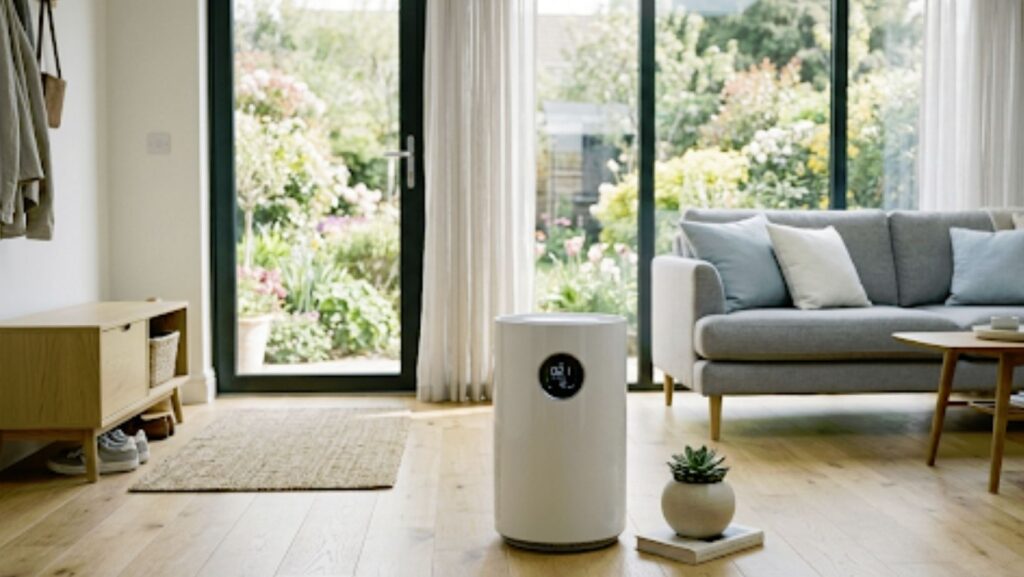
- Place a portable HEPA air purifier in bedrooms to capture 99.97% of airborne allergens
- Use a vacuum cleaner equipped with a certified HEPA bag to prevent dust blow-back
Manage Humidity To Discourage Mites
Dust mites are the primary indoor allergen and thrive in humid environments, where they can reproduce easily. If your indoor air is too damp, you are inadvertently creating a breeding ground for the very triggers you’re trying to avoid.
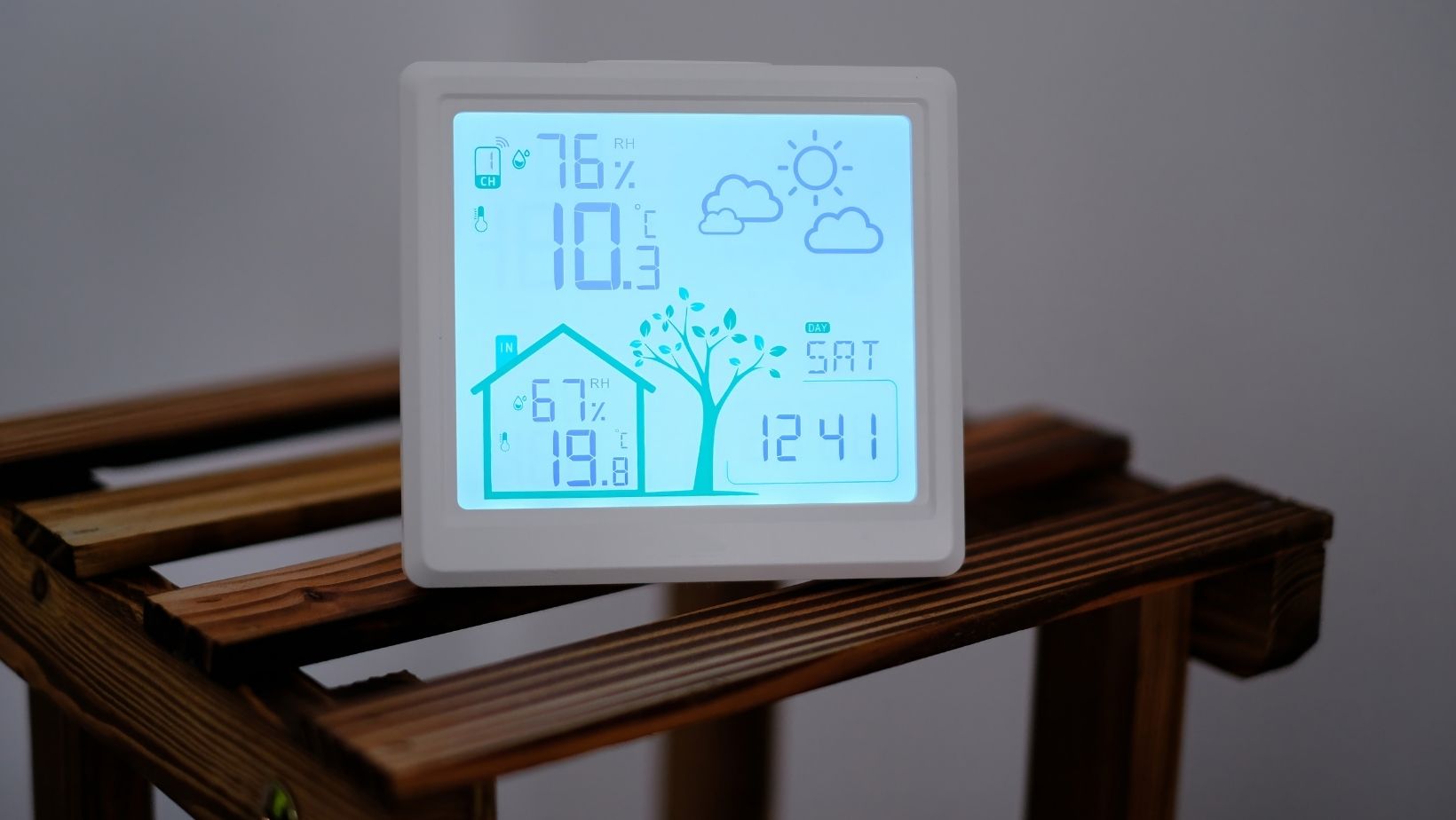
Experts recommend maintaining indoor humidity between 40% and 50% to keep mite populations in check without drying out your nasal passages. When humidity climbs higher, histamine-driven inflammation and congestion disrupt sleep and can lead to migraines triggered by allergic reactions as the body’s internal pressure shifts. Monitoring these levels with a simple digital hygrometer lets you adjust your dehumidifier settings in real time.
Sanitize Sleep Spaces Weekly
Since we spend nearly a third of our lives in the bedroom, this room requires the most aggressive allergen management. Bedding is a massive reservoir for skin cells and the dust mites that feed on them.
You should wash all sheets, pillowcases, and blankets in water that is at least 130°F (54°C) every single week. This high temperature is necessary to kill the mites, rather than just moving them around. Additionally, encasing mattresses and pillows in zippered, allergen-proof covers provides a physical barrier that keeps irritants trapped inside where they can’t reach your airways.
Choose Fragrance Free Cleaning Methods
Standard cleaning supplies often replace one problem with another by introducing volatile organic compounds (VOCs) and heavy scents. These artificial fragrances are notorious for triggering immediate “sinus” headaches that are actually migraine attacks in disguise.
Switching to fragrance-free, plant-based cleaners or simple DIY solutions like vinegar and water can maintain a clean home without the chemical fallout. If you are dealing with visible mold, focus on moisture control first; while mold is a major respiratory irritant, its link to direct “toxic” headache syndromes is less scientifically certain than the proven impact of chemical fumes and scents.
Track Triggers In A Home Diary
Managing allergens is a marathon, not a sprint, and identifying your specific triggers is key to long-term relief. Keeping a simple log of high-pollen days, cleaning schedules, and headache frequency can reveal patterns you might otherwise miss.
If your symptoms persist despite these environmental changes, you may want to explore other ways to support your neurological health. Our site has plenty more posts on useful healthcare topics and guidance for parents, so don’t go anywhere.