
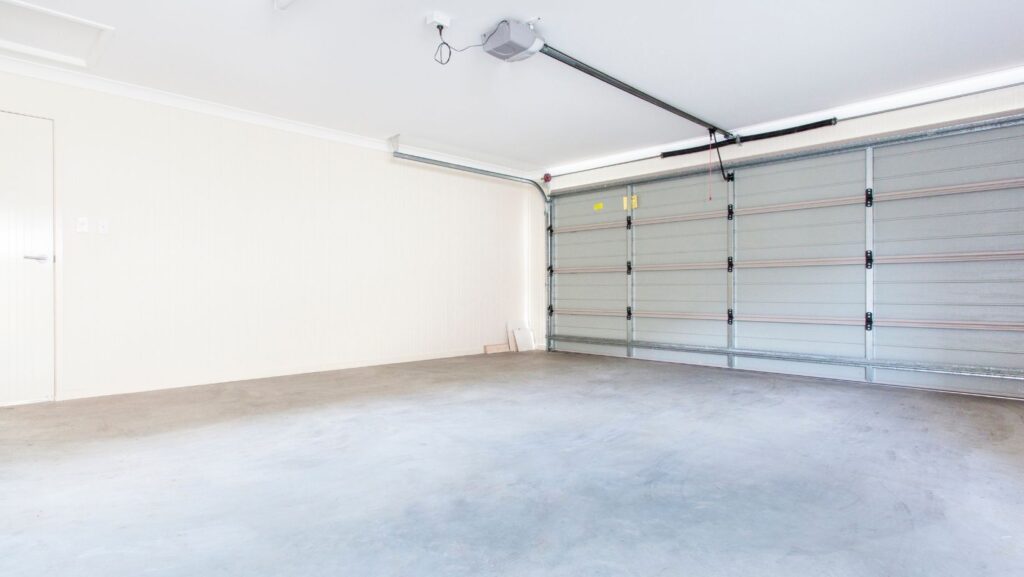
For many families, building a garage starts as a simple idea: protect the car, add storage, and increase home value. But for parents, it quickly becomes much more than that. A well-planned garage can make school mornings smoother, keep sports gear organized, and even improve your child’s safety.
Before you commit to building a garage, there are a few important things to consider. From safety features to long-term planning, here are seven things parents should know to make the most of this investment.
1 It’s Not Just About Parking, It’s About Family Function
When parents think about building a garage, parking is usually the first priority. But in reality, families use garages for much more than cars.
Think about strollers, bikes, scooters, helmets, camping gear, and bulk grocery hauls. Without a dedicated space, these items end up cluttering hallways and closets. A family-friendly garage can act as a transition zone between the outside world and your home.
Consider including built-in shelving, hooks for backpacks, and even a small bench where kids can remove muddy shoes. Designing your garage around your daily routine helps prevent chaos and creates a smoother start and end to each day.
2 Storage Planning Should Come First
One of the biggest mistakes families make when building a garage is waiting too long to think about storage. The structure goes up first, and storage becomes an afterthought.
Instead, start with storage planning.
Vertical shelving, overhead racks for seasonal decorations, and wall-mounted systems can free up valuable floor space. Parents should also consider enclosed cabinets to store hazardous items like paint, tools, and automotive fluids safely out of reach.
Remember, your storage needs will change as your children grow. Today, it might be toy bins and tricycles. Tomorrow it’s hockey bags and weight equipment. Planning flexible garage storage solutions now can save you money and frustration later.
3 Safety Features Are Non-Negotiable
For parents, safety should always be the top priority when building a garage.
Garages often contain sharp tools, heavy equipment, and potentially dangerous chemicals. Installing childproof locks on cabinets and keeping hazardous materials secured is essential. Good lighting is another must-have, especially during dark winter mornings or late evenings.
Non-slip flooring can help prevent falls, particularly when kids run inside from wet driveways. Modern garage door systems with motion sensors and auto-reverse features add another layer of protection.
Before finalizing your plans, it’s wise to review your layout and projected costs using a reliable garage estimator. This can help ensure you’re budgeting appropriately for essential safety upgrades rather than cutting corners where it matters most.
A safe garage design isn’t optional; it’s foundational for family peace of mind.
4 Attached vs. Detached: Think About Convenience
Parents should carefully consider whether an attached or detached garage better fits their lifestyle.
An attached garage offers convenience, especially during bad weather. Carrying groceries while supervising young children becomes much easier when you can walk directly into the house. It also improves safety by reducing the need for kids to cross driveways unattended.
Detached garages, on the other hand, may provide more flexibility in layout and reduce noise inside the home. However, they can be less convenient during rain, snow, or busy mornings.
Think about your daily routine. If convenience and quick access matter most, an attached garage may be the better option for your family.
5 Plan for Future Drivers (Yes, Already!)
It may feel early to think about teenage drivers, but smart garage planning means thinking ahead.
If you have young children now, consider how your needs might evolve in 10 or 15 years. Will you need an extra parking space? A wider garage door to accommodate larger vehicles? Space for an electric vehicle charging station?
Planning for growth now prevents costly renovations later. A garage built with the future in mind can adapt as your family changes. It can also improve resale value, which is important if you ever decide to move.
Garage planning for growing families should always include flexibility.
6 Budget Beyond the Basic Build
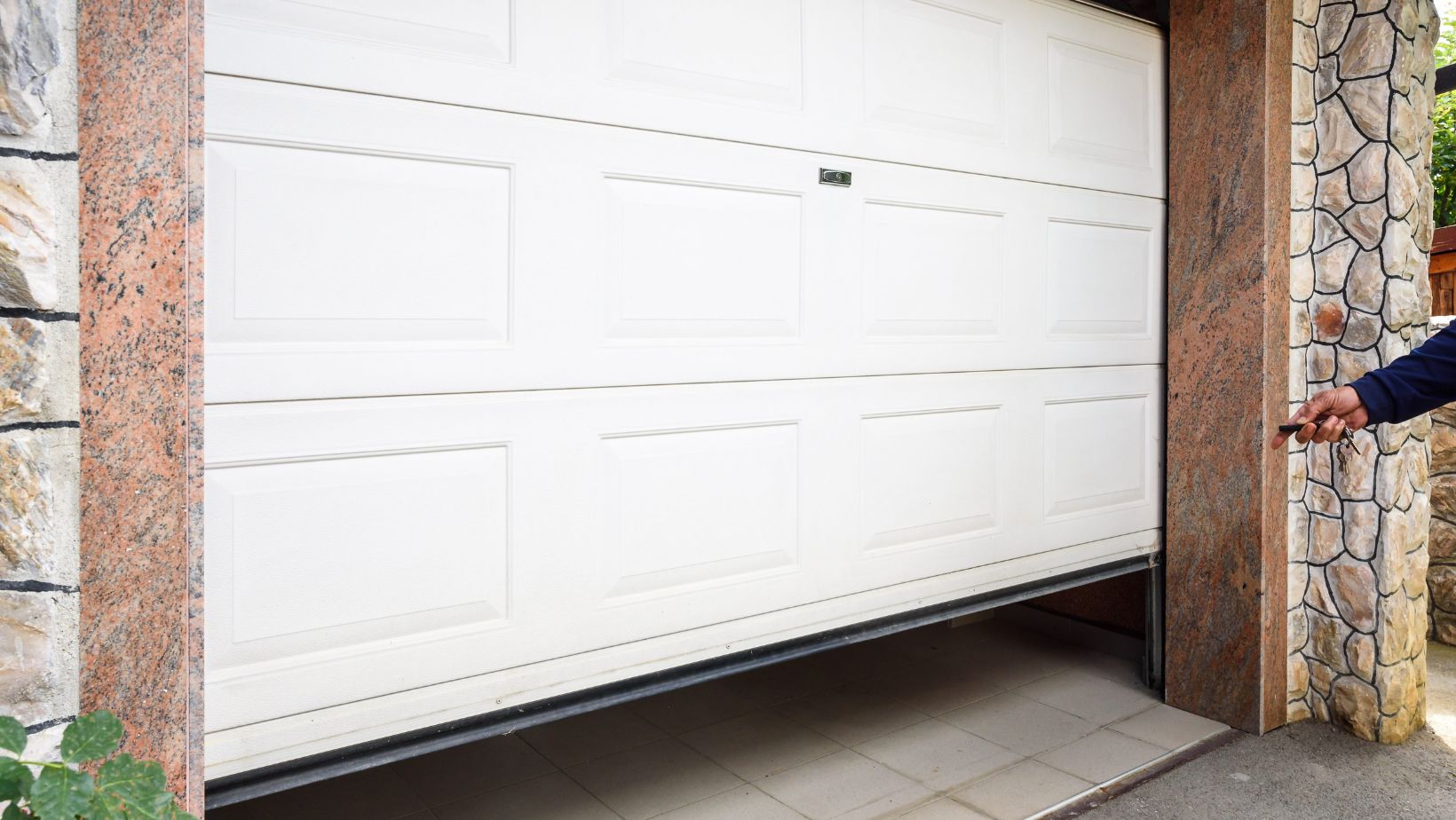
When building a garage, many parents focus on construction costs alone. But the final price often includes much more.
Electrical wiring, insulation, heating systems, storage installations, flooring finishes, and permits all add to the overall investment. If you plan to use the space year-round, proper insulation and climate control may be necessary.
It’s better to set a realistic budget upfront than to face unexpected expenses midway through the project. Careful financial planning reduces stress and allows you to build a space that truly serves your family.
Remember, a garage is not just an addition; it’s an extension of your home.
7 Think Long-Term Value, Not Just Immediate Needs
Finally, parents should view building a garage as a long-term investment, not a short-term fix.
A well-designed garage improves organization, reduces indoor clutter, and creates a structured space for family life. It can also increase property value and enhance curb appeal.
Beyond financial benefits, there’s emotional value. A garage can become a workshop for weekend projects, a safe place to teach your teen how to drive, or simply a storage haven that restores order to your home.
When designed thoughtfully, a garage supports your family through every stage of life.
Final Thoughts
Building a garage is more than a construction project; it’s a decision that affects your daily routines, safety, and long-term home value. By focusing on functionality, storage, safety, future planning, and budgeting, parents can create a space that truly works for their family.
With careful preparation and smart design choices, your garage can become one of the most practical and valuable parts of your home for years to come.