

High summer bills and uneven room temperatures frustrate homeowners every year. Many people assume cranking up the AC is the only answer, yet comfort depends on more than one system.
Passive and active cooling each play a role. Knowing how they work can change how your home feels in every season.
Both strategies target heat, but they do it in completely different ways. Choosing the right balance can lower energy costs while keeping your space consistently comfortable.
Passive vs Active Cooling: Understanding the Core Difference
Passive cooling reduces heat before it builds up indoors. Active cooling removes heat after it enters your home using mechanical systems.
Design elements like shade, insulation, and airflow form the backbone of passive cooling. Strategies such as cross-ventilation, reflective roofing, and proper shading can significantly lower indoor temperatures.
Lower indoor temperatures mean your AC runs less often. And that directly affects your monthly utility bill.
Active cooling includes central air conditioners, heat pumps, and ductless systems. These systems respond immediately when temperatures spike and provide precise control over comfort levels.
How Passive Cooling Reduces Energy Use
Passive cooling focuses on prevention. Heat is blocked, redirected, or vented naturally instead of being mechanically removed.
Proper insulation keeps hot outdoor air from seeping in. Window placement and shading prevent direct sunlight from turning living rooms into greenhouses.
Many homeowners underestimate how much these upgrades matter. Even small improvements can reduce how hard your cooling system has to work, which can extend equipment lifespan and reduce repair frequency.
Simple Passive Cooling Upgrades
Several improvements can make a noticeable difference. Consider these options:
- Installing light-colored or reflective roofing materials
- Adding exterior shading like awnings or pergolas
- Improving cross-ventilation by adjusting window use
Each upgrade reduces strain on mechanical systems. Less strain often means fewer breakdowns and steadier indoor temperatures.
Why Active Cooling Systems Still Matter
Passive strategies help, but mechanical cooling carries the heavy load during extreme heat. Active systems remove both heat and humidity, which is essential in many climates.
According to the US Department of Energy, modern high-efficiency systems with updated SEER2 standards use significantly less electricity than older units. Lower electricity use shows up quickly on your monthly statement, especially during long summer heatwaves.
Older systems often cycle longer and cool unevenly. Newer ENERGY STAR-certified units are designed for better airflow, improved refrigerant management, and smarter performance controls.
Zoned Comfort and Modern Cooling Options
Whole-home systems work well in many cases, but not every home cools evenly. Sun-facing rooms, finished basements, and additions often struggle to maintain stable temperatures because traditional ducted systems distribute air uniformly rather than based on room-specific load.
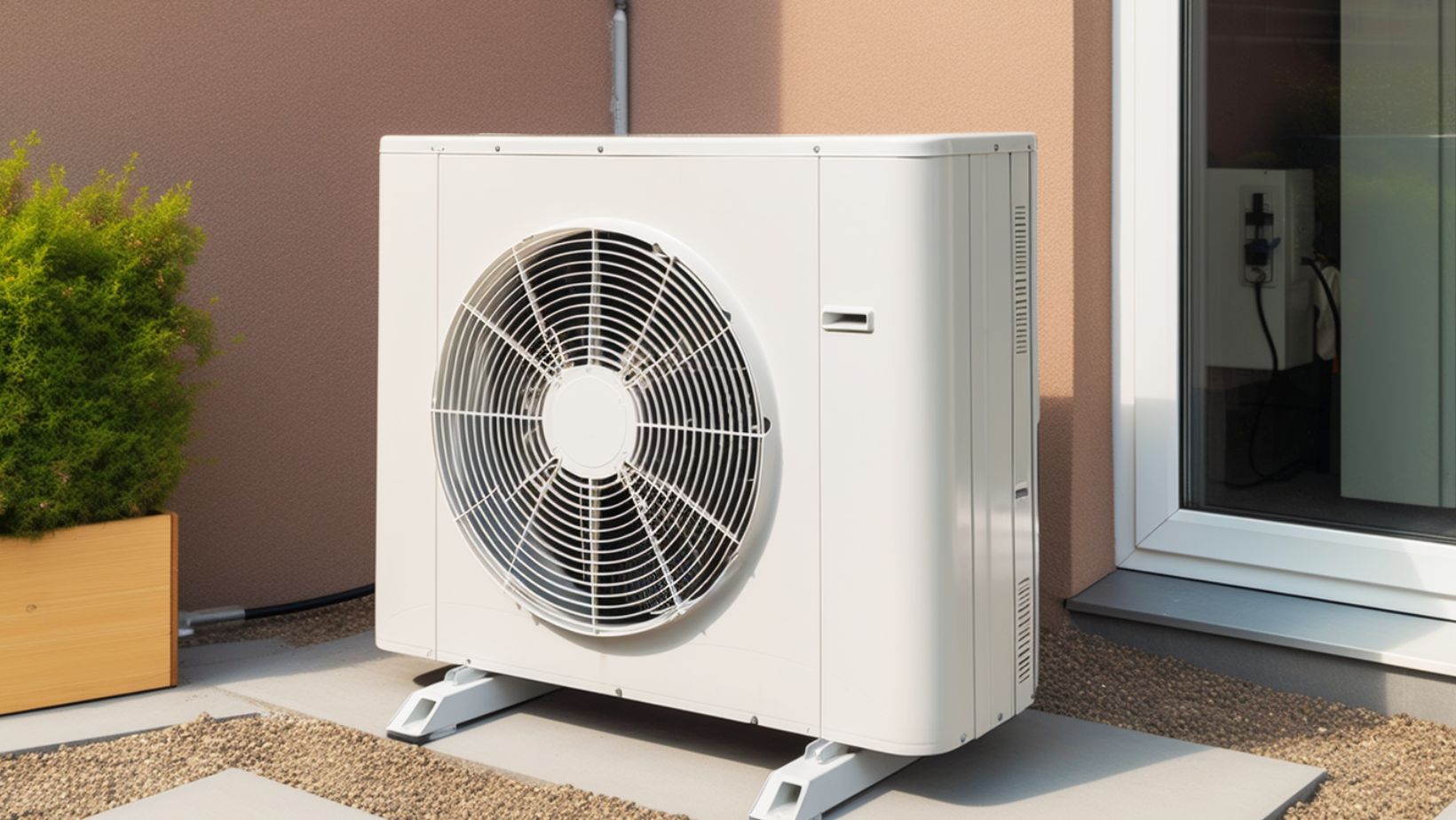
When these hot or under-cooled zones persist despite insulation improvements and airflow adjustments, homeowners may consider Anderson Heating & Air attic insulation to improve temperature consistency before moving to system-level solutions. At this stage, correcting temperature imbalance requires equipment that can operate independently from the primary duct network while delivering controlled output to specific zones.
Reviewing systems such as ductless mini splits at HVACDirect.com allows homeowners to compare BTU capacity, multi-zone configuration options, efficiency ratings, and installation requirements before committing to a targeted cooling retrofit or supplemental system. Evaluating these specifications ensures the solution matches room size, usage patterns, and overall system compatibility.
Zoned systems allow you to cool occupied rooms while leaving unused spaces at higher temperatures. Greater control often translates into lower energy waste and reduced runtime strain on the central unit, especially during peak summer demand.
The Cost Perspective Over Time
Upfront costs differ between passive and active cooling strategies. Passive upgrades often involve insulation improvements, window treatments, or structural adjustments, but operating costs remain low once installed.
Active systems require equipment investment and ongoing electricity use. However, high-efficiency systems can reduce long-term operating expenses compared to outdated models.
Lower consumption means more predictable monthly expenses and less stress during peak cooling seasons.
Combining passive and active approaches often produces the strongest financial outcome. Reduced runtime from passive features limits wear and tear on equipment, which can delay expensive replacements.
Choosing the Right Balance for Your Climate
Your climate should guide your decision-making process. Homes in mild regions benefit greatly from passive design because outdoor conditions naturally support ventilation and airflow.
Hot and humid areas require reliable active systems to control moisture levels. Humidity impacts comfort just as much as temperature can affect indoor air quality.
A balanced strategy usually delivers the best year-round results. Passive features create a foundation for efficiency, while active systems provide consistency and precision when weather conditions become extreme.
Making Cooling Work for Your Home
Passive vs active cooling is not about picking one over the other. Real comfort comes from layering smart design with efficient mechanical systems.
Start by evaluating insulation, airflow, and sun exposure. Then assess whether your current cooling equipment meets modern efficiency standards or if an upgrade could improve performance.
Homes that combine passive improvements with high-efficiency systems often experience steadier indoor temperatures and lower monthly bills. If certain rooms remain uncomfortable, targeted solutions like ductless systems can improve control without major renovations.
If you found this post to be helpful, be sure to check out some of our other content!