
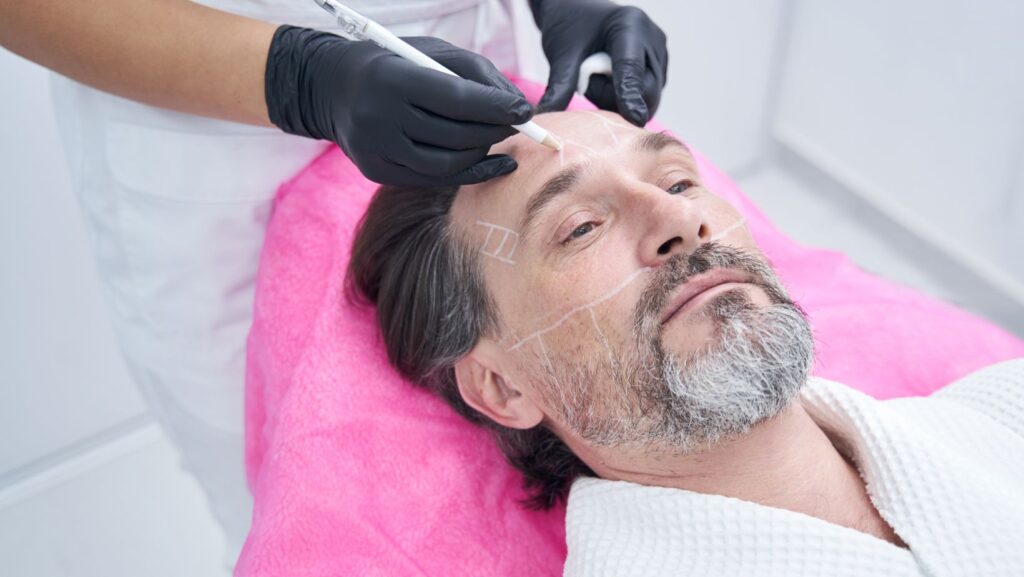
A great male facelift does not announce itself. It tightens the jawline, settles the jowls, and softens the neck while keeping the features that read as unmistakably male. Planning every step around that balance matters. The goal is quiet refinement that lets you look rested, capable, and confident without changing who you are.
Why More Men Are Considering A Facelift
Modern work and social life stretch well beyond nine to five. Cameras are everywhere. Fitness helps, but it cannot stop loosened skin, deepened folds, and a jawline that once looked sharp. Many men want to look like themselves on a good day, not younger in an obvious way, just clearer in the face, with a jaw that looks like it belongs to them again. That is where surgical precision matters.
What “Masculine” Means In Facial Design
Masculinity in the lower face is about structure: a straighter jawline, a squarer mandibular angle, and a clean transition from chin to neck signal strength and vitality. The aim is to protect those cues rather than chase a narrow, pulled look that flattens character. The focus is on tightening where support has weakened and restoring shape where volume has shifted. The result should read as you, only steadier in the jaw and easier in the neck.
How Male Anatomy Shapes The Plan
Male faces age differently than female faces, and the approach should reflect that.
Thicker Skin And Heavier SMAS. Male skin and deeper facial layers often require stronger vector support to achieve definition without over-tightening the surface.
Facial Hair Patterns. Beard lines and sideburns should be respected so hair does not migrate onto the ear or too far onto the cheek. Incision design and redraping guard against unnatural hair placement.
Hairline And Temple Considerations. Thinning or receding hair calls for discreet scar placement. This can change how the temporal area is contoured and how short incisions are hidden.
Neck Structure. Prominent platysmal bands, submental fat, and skin laxity often combine. Addressing them together creates a jaw and neck that look firm rather than tightened.
A Practical Approach: Subtle, Structured, And Honest
Small, precise corrections add up to a natural result. The deep support layer is tightened to lift weight off the skin, heavy jowls are refined, and the neck is addressed as needed. A windblown look is avoided.
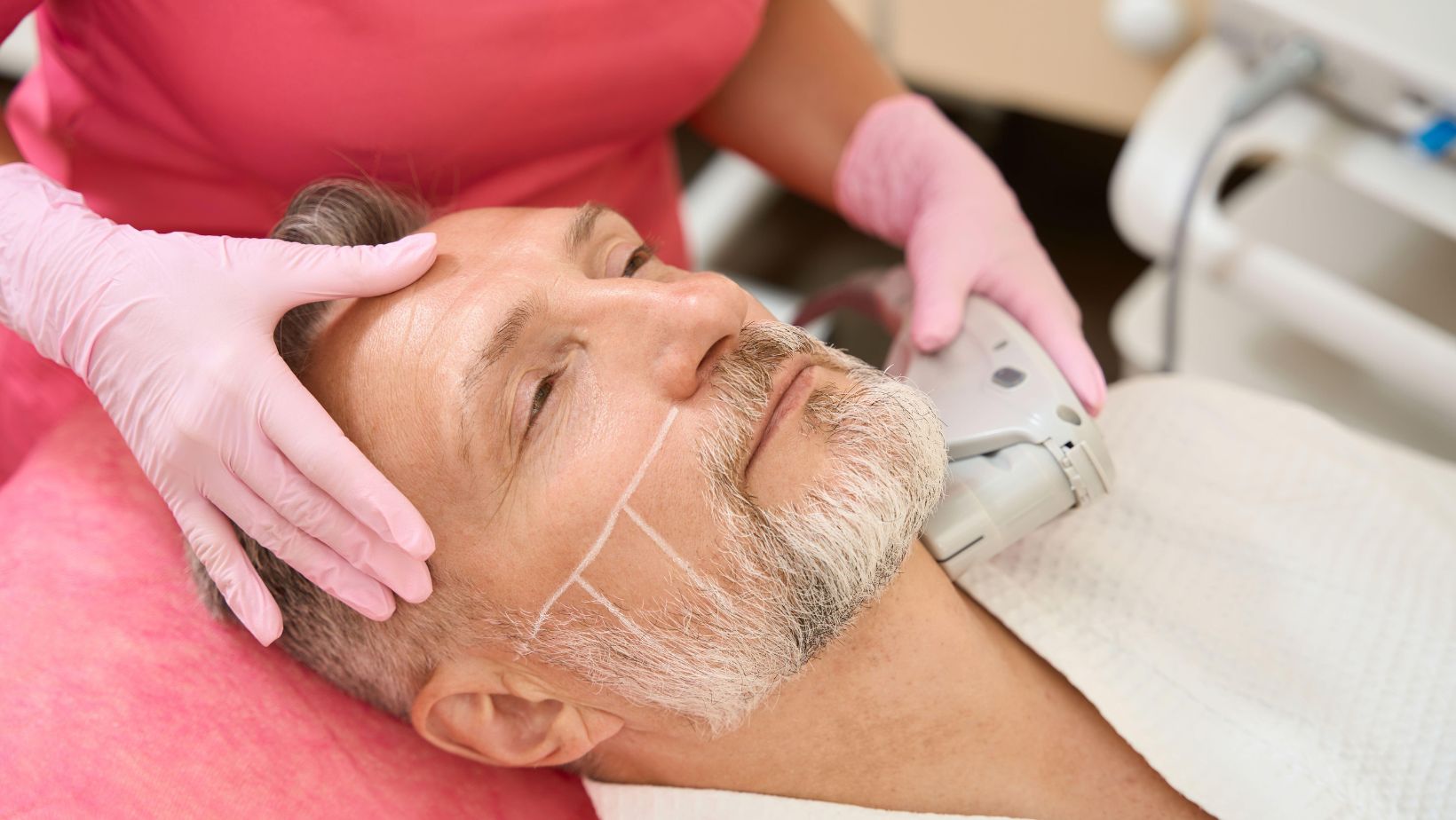
The angle of the jaw and fullness patterns that read as male are protected. When movement matters, techniques that allow normal expression are preferred so a stretched appearance in rest or speech is avoided.
Mini Facelift And The “Ponytail” Concept For Men
Not every man needs a full, extensive lift. Many benefit from focused work that targets the jawline and midface while respecting a short recovery window.
Mini Facelift For Targeted Definition
A mini facelift approach uses shorter incisions and focused deep-layer tightening to sharpen the jaw, soften early jowls, and refresh the midface. It suits men with good skin quality who see early laxity rather than advanced sagging. The aim is definition with minimal interruption to work and training schedules.
The Ponytail Lift Idea Applied To Men
The ponytail concept emphasizes discreet, upward vectors that refresh the temples, cheeks, and jaw without a long, visible scar set. In men, incision placement is adapted to hair patterns and beard lines. The benefit is a cleaner, more alert look that avoids pulling the mouth or flattening the cheek.
Concise lifts are often paired with precise neck work when the profile needs extra support. The key is choosing the smallest effective move that preserves the natural framework.
Incisions, Scars, And Hair Considerations
Incisions are instruments of design and should respect how men wear hair and how beards grow.
Around The Ear, Not On It. Natural creases and cartilage borders are followed, so lines tuck into shadow.
Sideburn Preservation. Sideburn position is guarded. Sliding it forward or upward reads as unnatural, so redraping is planned to hold location.
Beard Direction. Migrating beard hair onto the ear is avoided. Fine adjustments in skin movement make a visible difference here.
Neck Access. A small incision under the chin allows bands or excess fat to be addressed when needed, then hides the line in a natural shadow.
With careful technique, scars settle into quiet lines that most people never notice, even with short hair.
Protecting Expression And Natural Movement
A masculine result is not only about contours; it is also about how the face moves. Excessive surface tension that stiffens animation is avoided. By lifting the deeper layer and letting skin follow, expressions stay easy and familiar. The goal is to feel like yourself when talking, laughing, and exercising.
What Recovery Honestly Feels Like
Most men want a clear sense of the timeline. Here is the general arc often seen:
Days 1 to 3: Swelling and a tight sensation are normal. Keeping the head elevated helps.
Days 4 to 10: Bruising fades. Light desk work often resumes, depending on comfort and public visibility.
Weeks 3 to 6: Definition emerges in the jawline and neck as residual swelling settles. Exercise intensity can usually increase gradually.
Months 3 to 6: Final refinement appears. Scars continue to quiet, and the result looks like it has always belonged to your face.
Aftercare can be tailored to skin type, hair patterns, and training routine so recovery fits daily life.
Results You Can Feel In Daily Life
The mirror matters, but so does the day itself. The collar sits better. Shirt and tie feel cleaner at the neck. Video calls are less of a distraction. You look more like how you feel after a good week of sleep and a solid workout. Friends may not know what changed. They just stop asking if you are tired.
How To Decide If A Mini Or Ponytail Approach Is Right
Candidacy comes down to anatomy and goals.
Skin Quality And Elasticity. Good elasticity favours shorter incisions and quicker recovery.
Jowl Pattern And Neck Laxity. Early jowls with a modest neck change match a mini strategy. Significant banding or skin excess may call for a more comprehensive plan.
Cheek Support And Midface Volume. If the cheeks have descended slightly but still carry volume, refined vectors deliver a lift without a hollowed look.
Lifestyle And Privacy Needs. Work travel, training cycles, and hair habits shape timing and incision choice.
Planning around these factors helps the plan align with how you live.
Subtle Adjuncts That Complement A Lift
Surgery sets structure. Thoughtful skin and contour support can complete the picture without changing features.
Neck Contour Refinement. Small volume adjustments under the chin can sharpen the angle.
Skin Quality Support. Texture and tone improvements help the new contours read clearly.
Beard And Hair Strategy. Trim patterns and growth direction can frame the jawline for a stronger look post recovery.
Each addition is optional. Include only what meaningfully supports individual goals.
A Standard For A Masculine Result
Success is measured in how naturally the face reads and how well the changes hold over time. The jawline should look decisive. The neck should look steady. The cheeks should look supported, not hollow. Sideburns should sit where they began. Scars should hide in shadow. Most of all, the result should be quiet enough that people notice energy, not surgery.
If exploring options, an overview of facelift treatment can explain how techniques like the mini facelift and ponytail lift adapt to male anatomy while keeping scars discreet and results understated.