
The modern healthcare environment is a complex web of interactions designed to promote healing and safety for every patient. Thousands of data points are processed every hour as doctors, nurses, and pharmacists work together to deliver precise care. This high-speed environment requires total accuracy to ensure that every individual receives the exact treatment they need.
Despite the best intentions of highly trained professionals, the sheer volume of tasks creates opportunities for small lapses in focus. A single misstep in a long chain of events can lead to a significant medical complication that affects a patient’s recovery. These incidents are rarely the result of a single person’s malice or extreme negligence.
Most mistakes are actually the product of systemic vulnerabilities that allow human error to reach the patient’s bedside during their stay. Understanding the various pathways through which medication errors occur is the first step in building a more resilient and safer healthcare system for everyone. It is a critical goal for modern medicine.
Prescription Errors
The journey of a drug begins with the initial order placed by a physician or a licensed nurse practitioner. Mistakes often happen at this stage due to the confusing similarity in the names of different drugs used for various conditions. One wrong letter can lead to a completely different chemical being sent to the pharmacy.
Illegible handwriting remains a traditional but persistent problem in many older clinical settings that still rely on paper charts for tracking. When a pharmacist is forced to guess a dosage or a frequency, the risk of a hazardous outcome climbs significantly. The lack of clarity is a major barrier to safe and effective patient care.
Incomplete patient histories also contribute to ordering mistakes when a doctor is unaware of a specific allergy or a conflicting prescription. Without a full picture of the patient’s biological chemistry, even a standard dose can trigger a life-threatening and preventable reaction. Proper information gathering is a mandatory part of safe prescribing.
Administration Errors
The moment a drug is actually given to a patient represents the most critical point in the entire delivery process. Nurses must verify the identity of the individual and match the dose to the specific order in the file. Any distraction during this high-pressure window can lead to a mistake in the actual timing.
Dosage calculations for intravenous drips or pediatric patients require a high degree of mathematical precision and a calm environment. If a staff member is interrupted by a phone call or an emergency, they might misplace a decimal point in their head. This lead to a concentration that is far too high.
Using the wrong route of administration is another frequent error that can have devastating consequences for a person’s physical health. A drug intended for oral consumption can be toxic if it is injected directly into a vein by mistake. These physical slips are often the result of extreme fatigue and burnout.
Communication Breakdowns
Medical care involves constant handoffs between different departments and shifts as a patient moves through the various stages of recovery. If a nurse fails to mention a recent dose during a shift change, the next provider might repeat the treatment too soon. This creates a dangerous buildup of chemicals in the system.
Verbal orders given during a crisis are also prone to misunderstanding because of the noise and high stress of the room. Without a formal “read-back” protocol, a simple instruction can be heard incorrectly by the person preparing the syringe. Clear verbal confirmation is a life-saving habit that every professional should use.
Lack of coordination between specialists can lead to redundant prescriptions that overwhelm a patient’s internal organs like the liver or kidneys. When the right hand does not know what the left is doing, the patient is the one who suffers. Integrated communication platforms are necessary to prevent these specific types of lapses.
System Safeguards
Many facilities rely on automated dispensing cabinets and barcode scanners to catch potential mistakes before they reach the patient’s room. These tools are designed to alert the staff if the wrong drug is selected or if the timing is incorrect. However, these systems only work if they are used consistently by everyone.
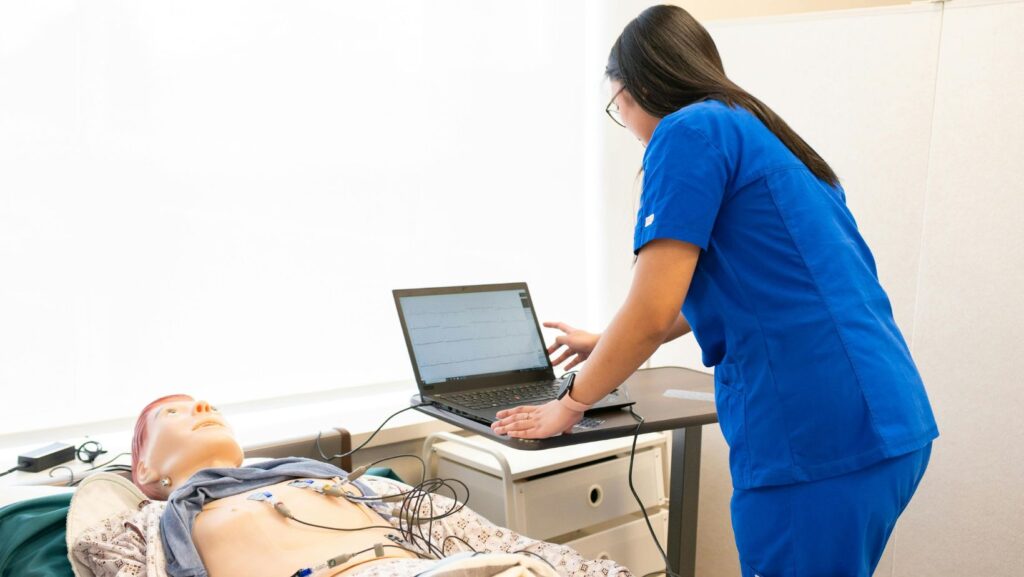
“Alert fatigue” happens when staff members become so overwhelmed by constant computer pings that they start to ignore the warnings. This desensitization allows a critical error to slip through because the professional assumed it was just another false alarm. Management must balance technology with the human element of care for safety.
Inadequate staffing levels are perhaps the most significant systemic gap that leads to a decline in overall patient safety standards. When one person is doing the work of three, the cognitive load becomes too heavy to maintain perfect focus. Safety requires enough hands on deck to handle the daily workload without rushing.
Conclusion
Reducing the frequency of medical mistakes requires a deep and honest look at the structural weaknesses of the healthcare industry. It is a collective responsibility that involves everyone from the head of surgery to the students on their first day. Promoting a culture of safety is the only way to move.
Reporting errors without the fear of punishment encourages professionals to speak up about near-misses and potential hazards in the hospital. This transparency allows the facility to learn from mistakes and implement better protocols that protect future patients. An open environment is a healthy environment for everyone who enters the building.
Ultimately, the goal is to create a system where the right patient gets the right drug at the right time. By addressing the root causes of failure, we can build a medical world that is truly focused on healing. Every small improvement in safety saves lives and restores public trust in modern medicine.