
You probably feel pressure to plan bigger experiences for your kids. Weekend trips, expensive attractions, and packed activity schedules can start to feel normal. Social media pushes that pressure even harder.
But children usually remember smaller things, like the same movie night every winter, pancakes after skating lessons, or the school fair they attended every October. Those routines stay with them because they repeat.
Kids build comfort through familiarity. They learn which people, places, and moments belong to their everyday world. This consistency proves more significant than many parents realize.
Over time, those repeated experiences help children feel emotionally secure and socially connected. Many of the traditions children remember most are the ones that quietly become part of their regular lives. That sense of familiarity often becomes a source of emotional comfort for children.
Familiar Routines Help Children Feel More Secure
Kids depend on routines to make sense of daily life. Familiar traditions help them feel settled, as they know what comes next, who will be there, and how those moments usually feel. Over time, that pattern creates emotional stability.
A yearly neighborhood festival can become part of a child’s identity. So can weekly library visits or Friday pizza nights at home. Those activities seem ordinary to adults. Children often see them differently because they connect them to family and community.
Duke University recently followed nearly 400 children between the ages of 5 and 13. The research included communities from Canada, Peru, and Uganda. Researchers found that children gradually shaped their behavior around the social expectations and cooperation styles common within their own communities.
Similar patterns also appeared in broader neighborhood research. Child Indicators Research reviewed 32 studies across psychology, health, sociology, and urban planning.
Researchers found that children reported stronger well-being when neighborhoods had trusted adults, safe play spaces, libraries, and community centers. The review also showed that children valued informal gathering spaces and recurring peer interaction within their neighborhoods.
You can usually see this in communities with long-running traditions. Children become comfortable in those spaces because the people and routines feel familiar.
Children Feel More Connected When They Participate
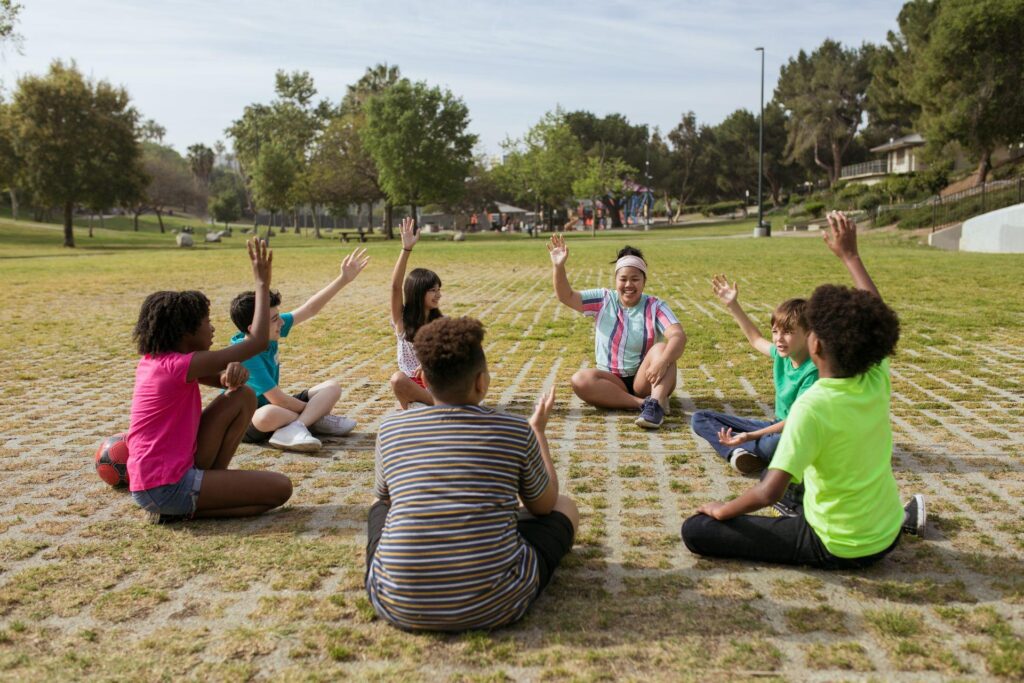
Children care about participation. They want to feel involved in the things happening around them. School breakfasts, hockey tournaments, seasonal markets, and charity drives all create that feeling.
Kids watch adults organize activities together. They see teachers, parents, and neighbors working toward something shared. These repeated interactions help children feel recognized within their community.
The World Bank recently shared how community learning programs in Uganda trained local volunteers to run short reading and math sessions after school in nearby community spaces.
The program used simple routines, smaller group instruction, and regular community involvement to help children practice skills outside the classroom. This sense of involvement often appears during local volunteer-led events.
Parents handle sign-in tables, organize games, and prepare thank-you gifts for helpers. Some schools also use small keepsakes like logo coffee mugs for volunteers or fundraising teams after larger community gatherings.
Those small reminders often become tied to the memories children carry from community events. Pens.com notes that shared keepsakes can help people remember special events and milestone moments more clearly over time.
Children often connect those familiar event details with the people and traditions they see every year.
Small Family Rituals Help Kids Slow Down
Family schedules move fast now. Children bounce between school, activities, screens, and group chats all day. Even evenings can feel rushed. Small routines slow things down. They also give children a break from constant digital interaction and packed schedules.
The Idaho Mountain Express recently spoke with children and community leaders about how kids search for offline connections in the cellphone era. Several children described feeling more connected through outdoor activities, neighbourhood interaction, and shared community spaces.
According to the report, many children still preferred spending time with friends in person instead of mainly interacting through screens. You can usually see that need for connection in smaller daily habits at home.
Maybe your family takes evening walks after dinner. Maybe your kids help make pancakes every Sunday morning. These habits create space for conversation without forcing it.
Children often attach strong emotional memories to familiar social spaces and repeated family routines. Small routines like these help your family reconnect without adding another expensive plan to the calendar.
Community Traditions Give Children Stability During Change
Childhood changes quickly. Kids move schools, lose friendships, gain independence, and adjust to new schedules. Some families also move homes or shift work routines during those years.
Stable traditions help children hold onto something familiar. Community routines can also give children support outside their immediate household. Children often lean more on familiar community spaces when home routines start changing.
The World Economic Forum recently reported that more families in Japan now rely on shared community support. Changing work patterns and household structures are driving this shift.
The report also described expanded after-school programs, local childcare support, and neighborhood safety systems. These programs help children stay connected to trusted adults and a familiar daily structure.
Children often carry that sense of stability with them during stressful periods. Trusted adults, recurring local routines, and supportive neighborhood systems can help children feel more secure while other parts of life shift around them.
Sometimes the smallest traditions matter most. Returning to the same fall market or winter community fair each year can give children a sense of continuity that they carry for years.
People Also Ask
Why do children remember family traditions so clearly?
Children connect memories to emotion and repetition. When an activity happens regularly, it starts feeling familiar and predictable. That comfort helps children remember the experience longer. Traditions also involve the same people and routines. This strengthens emotional attachment and creates a stronger sense of belonging over time.
How do community activities help children socially?
Community activities help children practice communication, teamwork, and confidence in real situations. They learn how to interact with different age groups and become more comfortable in shared spaces. Regular participation also helps children build trust with familiar adults and recognize themselves as part of a larger community.
Can simple routines improve a child’s emotional well-being?
Yes. Simple routines help children feel calmer because they reduce uncertainty during busy days. Predictable habits also create regular opportunities for connection with parents and siblings. Even small routines, like bedtime conversations or weekend breakfasts, can help children feel emotionally supported and more secure at home.
Community Traditions by the Numbers
|
Duke University research sample |
Researchers followed nearly 400 children between ages 5 and 13 across five countries, including Canada, Peru, and Uganda. |
|
Child Indicators Research Review |
Researchers reviewed 32 studies across psychology, health, sociology, and urban planning. |
|
World Bank community learning programs |
Uganda-based programs trained local volunteers to run after-school reading and math sessions in community spaces and neighbourhood programs. |
|
Idaho Mountain Express findings |
Many children said they still preferred spending time with friends in person instead of mainly using screens. |
|
World Economic Forum community support trends |
More families in Japan now rely on after-school programs, local childcare support, and neighborhood safety systems. |
The Lasting Value of Familiar Traditions
You do not need expensive outings to create meaningful memories for your children. Kids usually remember familiar and emotionally safe experiences more clearly over time.
Community traditions help create that feeling of stability. Repeated routines show children where they belong and who they can depend on. Those experiences shape how they connect with family, neighbors, teachers, and friends as they grow older.
That is why smaller traditions often stay meaningful for years. Children carry those memories into adulthood because they remember the comfort, connection, and familiarity those moments gave them.