
Saltwater pools sound simple, and in many ways they can feel easier to live with. The water often feels smoother, the chlorine smell may seem less noticeable, and owners do not have to add chlorine by hand as often. But one common misunderstanding causes problems: a saltwater pool is not chlorine free.
A saltwater pool uses a salt chlorine generator to turn dissolved salt into chlorine. That chlorine still sanitizes the water. It helps control bacteria, algae, and organic waste just like chlorine in a traditional pool. The difference is how the chlorine is produced.
This makes saltwater care more convenient for many homeowners, but it does not remove the need for testing. If the chlorine level drops, the pool can still become cloudy or green. If pH gets too high, chlorine may not work as well. If the salt cell gets scale buildup, chlorine production can become less reliable.
Saltwater systems are modern and helpful, but they are not hands-off. They work best when owners understand what the system does and what still needs regular attention.
The Key Numbers Saltwater Pool Owners Need to Watch
Free Chlorine, pH, and Total Alkalinity
The first number to watch is free chlorine. This is the chlorine available to sanitize the water. Even though the pool uses salt, the water still needs enough free chlorine to stay safe and clear.
pH is just as important. If pH is too high, chlorine becomes less effective and swimmers may notice cloudy water, scale, or discomfort. If pH is too low, the water can feel harsh and may affect equipment or surfaces.
Total alkalinity helps keep pH more stable. When alkalinity is off, pH can swing up and down, which makes the pool harder to manage. For most homeowners, the practical routine is simple: test regularly, adjust gradually, and do not guess based only on how the water looks.
Heavy use, rain, heat, sunscreen, pollen, and organic debris can all affect these numbers. During summer, testing once in a while is usually not enough.
Salt, CYA, and Calcium Hardness
Salt level is the number that makes saltwater pools different. If salt is too low, the generator may not produce enough chlorine. If it is too high, the system may show warnings or place stress on equipment, depending on the model. Always test before adding salt.
Cyanuric acid, often called CYA or stabilizer, helps protect chlorine from sunlight. Too little CYA can waste chlorine quickly. Too much can reduce chlorine effectiveness and make the pool harder to correct.
Calcium hardness also matters. If calcium is too high, especially with high pH, scale can form on the salt cell, tile, and waterline. If calcium is too low, the water may become more aggressive toward some surfaces. Saltwater care is easier when these numbers stay in balance.
Why pH Often Rises in Saltwater Pools
One thing many new saltwater pool owners notice is that pH often trends upward. This does not mean something is wrong with the pool. It is a common part of saltwater maintenance.
The salt chlorine generator can contribute to rising pH. Aeration from water features, spillovers, returns, or heavy pool activity can also push pH up. Warm weather and frequent swimming may make the pattern more noticeable.
High pH should not be ignored. It can reduce chlorine performance, make water look dull, and increase the chance of scale around the salt cell or waterline. That is why pH control should be part of the normal routine, not something owners wait to handle after the water turns cloudy.
A simple habit helps: test pH regularly during swim season and make small corrections when needed. Small adjustments are usually easier than fixing a pool that has been drifting for weeks.
Salt Cells Need Their Own Maintenance
The salt cell is one of the most important parts of a saltwater pool. It is where chlorine production happens. If the cell is dirty, scaled, or not getting proper water flow, the pool may not produce enough sanitizer even when there is salt in the water.
Salt cells should be inspected according to the manufacturer’s schedule. Calcium scale is a common issue, especially when pH and calcium hardness are high. Scale can reduce chlorine production and trigger system warnings.
Low salt can also cause problems. So can poor circulation, clogged filters, or water flow issues. If a system shows a warning, do not automatically dump in more salt. Test first. The issue may be salt level, but it may also be flow, scale, or sensor condition.
Cleaning the salt cell should be done carefully and only as directed. Over-cleaning or using harsh methods can shorten the cell’s life. A salt cell is not a “set it and forget it” part of the pool. It is equipment that needs steady care.
Saltwater Does Not Remove the Need for Cleaning
Saltwater chemistry handles sanitation, not physical debris. Leaves still fall in. Sand still settles. Pollen still floats. Sunscreen and body oils still collect near the waterline. Walls and steps can still develop slippery film.
That is why saltwater pools still need skimming, brushing, vacuuming, and filter care. A pool with good chemistry can still look messy if dirt is sitting on the floor or oils are building up near the edge.
Good chemistry also works better when the pool is physically clean. Organic debris can increase chlorine demand. Dirty filters can reduce circulation. Fine particles can make water look dull even if the salt system is producing chlorine.
For homeowners who mainly notice settled dirt, a bottom pool cleaner can be a useful part of the routine. Floor cleaning matters because sand, dust, and fine debris often collect where people do not see them right away. Still, the bottom of the pool is only one part of saltwater pool care. The surface, walls, waterline, baskets, filters, and salt cell all need attention too.
Smart Cleaning Support for Saltwater Pool Maintenance
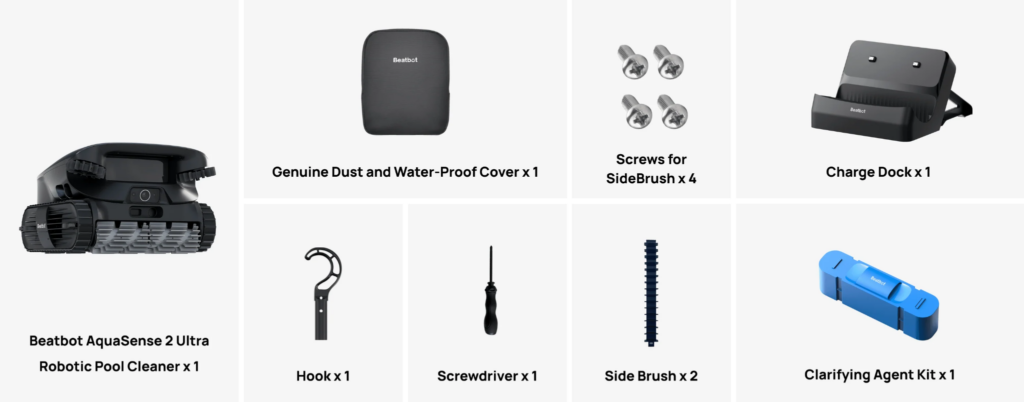
In a saltwater pool, Beatbot AquaSense 2 Pro can help with the physical cleaning side of maintenance while the salt system focuses on sanitizer production. Even when the generator is working properly, the pool still collects surface debris, floor dirt, wall film, and waterline residue.Beatbot AquaSense 2 Pro is designed for broader cleaning coverage across the water surface, floor, walls, and waterline, with water clarification support as part of a wider maintenance routine.
In a real homeowner routine, this type of cleaner can reduce some of the repetitive skimming, brushing, and vacuuming that still comes with a saltwater pool. That matters after windy weather, heavy swimming, or pollen season, when organic debris and fine particles can increase the workload on the filtration system. For someone comparing options such as a cordless pool cleaner, the useful question is whether the cleaner can reduce physical debris across the areas that get dirty most often.
The limits should stay clear. AquaSense 2 Pro does not replace salt testing, chlorine monitoring, pH and alkalinity adjustment, CYA management, calcium hardness checks, filter cleaning, or salt cell maintenance. It is best understood as cleaning support that helps the chemistry side work under cleaner conditions.
Exact target ranges can vary by equipment, pool surface, climate, and product instructions. If chlorine stays low, the salt cell keeps alarming, or the water stays cloudy, take a step-by-step approach. Test salt, check flow, inspect the cell, clean baskets and filters, then review chemistry. Guessing usually creates more work.
What Makes Saltwater Pool Care Different in Daily Life
Saltwater pools can feel smoother and easier for many owners. The system produces chlorine more steadily, and the routine may feel less hands-on than adding chlorine manually. But the pool still depends on balanced water, proper circulation, clean filters, and regular debris removal.
The biggest differences are salt level, pH behavior, and salt cell care. These need special attention. At the same time, the basics remain familiar: test the water, keep sanitizer in range, brush problem areas, remove debris, and maintain filtration.
A saltwater pool is not complicated once homeowners understand what the salt system does and what it does not do. It creates chlorine from salt. It does not clean the floor, scrub the waterline, fix pH, or maintain the filter by itself.
With a steady routine, saltwater pool care can feel manageable. The best results come from pairing smart chemistry habits with simple physical cleaning, so the water stays clear, comfortable, and ready for regular swimming.