
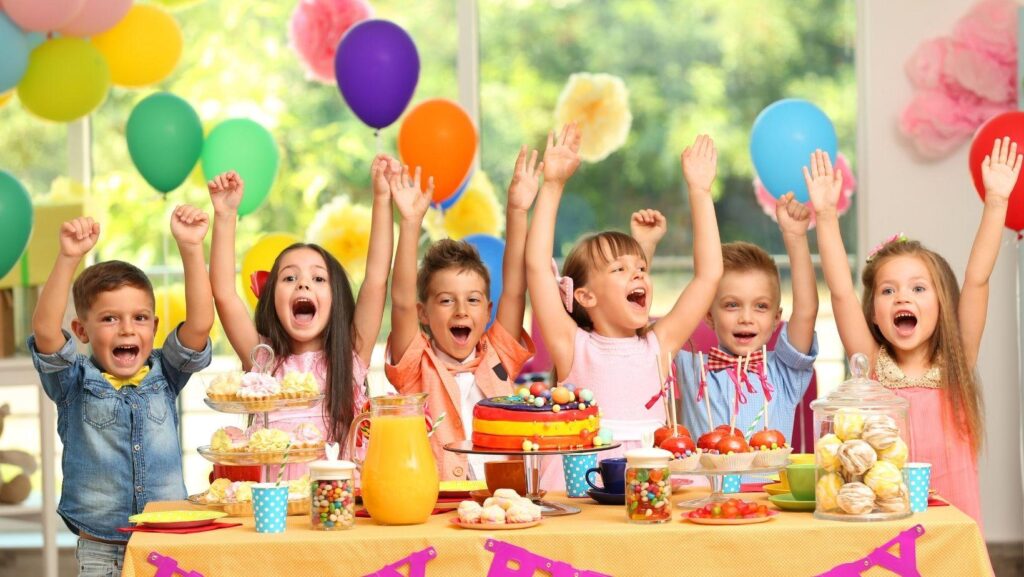
A child’s birthday party can stay small and still feel magical. The best parties usually come from a few thoughtful choices: a theme the birthday child loves, activities that fit the age group, food children can grab easily, and a few surprises that make the day feel personal. You do not need a huge venue, a professional planner, or a mountain of decorations to create a party that children will talk about for weeks.
Start with the child in front of you. Some children love loud games and big groups. Others prefer crafts, costumes, animals, science experiments, or a backyard movie night. Pretty adult-style décor, such as floating candles, can look lovely in photos, yet children remember the funny game, the treasure hunt clue, the cupcake they decorated, and the moment everyone sang their name.
Pick a Theme That Gives the Party a Story
A good theme makes planning easier because it gives every choice a clear direction. It helps you choose colors, invitations, games, music, snacks, and party favors without second-guessing every detail. The theme can come from a favorite animal, sport, book, movie, season, hobby, or pretend world. A dinosaur dig, backyard campout, princess art studio, space mission, soccer party, garden tea party, or “mad scientist” lab can all work with simple materials.
The theme should leave room for play. A child who loves pirates may enjoy a treasure map, gold coin snacks, and a “walk the plank” balance game. A child who loves animals may like paw-print signs, animal masks, and a mini adoption table with plush toys. A space-loving child may enjoy planet cupcakes, glow stars, and a rocket launch game with paper airplanes. The strongest themes give children something to do, not only something to look at.
Create a Party Flow That Protects the Mood
Children handle parties better when the day has a gentle rhythm. A party that starts with chaos often stays chaotic. A party that starts with a simple welcome activity gives guests something to do while everyone arrives. This can be sticker decorating, coloring crowns, making name tags, building with blocks, or adding beads to a bracelet. Choose something children can join at any moment.
After the welcome activity, move into the main game or experience. This is the part the birthday child will likely remember most. Plan one larger activity instead of packing the party with too many small ones. Children need time to settle into the fun. A craft table, obstacle course, scavenger hunt, slime station, backyard sports challenge, cookie decorating table, or puppet show can carry the party for a long stretch.
Build One Signature Activity Everyone Will Remember
Every unforgettable party has a “that was so cool” moment. It does not need to cost much. It needs a clear idea and a little drama. A treasure hunt can turn a living room into a secret map. A backyard relay race can feel like a sports tournament. A cupcake decorating station can make every child feel like a baker. A DIY potion lab can turn juice, sprinkles, and fizzy tablets into a science show.
Choose an activity that fits the age group. Toddlers need short, simple play with safe materials and adult help nearby. Preschoolers love pretend games, music, bubbles, sensory bins, and easy crafts. Early school-age children enjoy scavenger hunts, themed challenges, team games, and hands-on projects. Older children may prefer escape-room clues, karaoke, tie-dye, video game stations, movie nights, cooking challenges, or photo booth props.
Prepare more than you think you need, especially for crafts and food-based activities. Children use extra stickers, extra frosting, extra tape, and extra sprinkles. Set out supplies in small groups so the table stays manageable. Give clear instructions, then let children make their own choices. A party activity feels better when every child can create something that feels personal.
Add Small Surprises Throughout the Day
Surprises make a party feel special without turning it into a production. They can be tiny. A birthday mailbox filled with notes from guests. A mystery gift bag was pulled out during a game. A secret knock before the cake appears. A costume piece for the birthday child. A silly dance break when a certain song starts. These moments work because children love small bits of theater.
Personal touches matter more than expensive ones. You can print a “mission badge” with each guest’s name. You can hide clues that mention the birthday child’s favorite things. You can create a mini award for every guest, such as “Best Dinosaur Roar,” “Fastest Bubble Popper,” or “Most Creative Cupcake.” Children enjoy feeling seen, especially at parties where big personalities can take over.
Surprises should support the birthday child’s comfort level. A shy child may hate a loud announcement or a spotlight game. A bold child may love leading a parade through the house. Ask the birthday child what sounds fun before the party begins. Some children want a big entrance. Others want a quieter moment with close friends. The best surprise fits the child, not the adult’s idea of a perfect party.
Make Food Easy, Fun, and Low-Stress
Party food should be simple to hold, quick to serve, and friendly for different appetites. Children rarely want a formal meal during a birthday party. They want food they can recognize and eat between activities. Mini sandwiches, fruit cups, veggie sticks, cheese cubes, pretzel bags, pizza squares, sliders, popcorn cups, and yogurt tubes all work well. Keep messy sauces and fragile plates to a minimum.
Add one playful food idea tied to the theme. For a space party, serve “moon rocks” made from donut holes. For a garden party, use fruit skewers as “flower wands.” For a dinosaur party, make “fossil cookies” with simple stamped designs. For a sports party, serve snack cups with team-color labels. Small names and labels can make ordinary food feel planned.
Plan for allergies and parent comfort. Ask about major allergies on the invitation. Keep labels clear for common concerns such as nuts, dairy, gluten, and eggs. Have water available from the start, especially for outdoor parties. Children get thirsty faster than adults realize. A drink station with small cups and a spill-safe setup saves parents from constant refills.
Send Children Home With a Memory, Not More Clutter
Party favors can feel meaningful without adding more plastic to a family’s house. A child may enjoy taking home something they made during the party, such as a painted rock, slime jar, bracelet, decorated cookie, planted seed cup, superhero mask, or mini art piece. These favors feel connected to the day because children had a hand in making them.
If you want a ready-made favor, choose something useful or experience-based. Bubbles, sidewalk chalk, stickers, crayons, mini books, seed packets, cookie kits, or small puzzles usually work better than random toy bags. Add a simple thank-you tag with the child’s name and the party date. This small detail makes the favor feel intentional.
End the party with a warm goodbye routine. A thank-you basket by the door, one last group photo, or a final “birthday cheer” gives the day a neat finish. The ending matters because parents arrive, shoes disappear, and children get tired. A clear farewell helps guests leave with a happy final impression. That final feeling often becomes the part families remember on the ride home.