
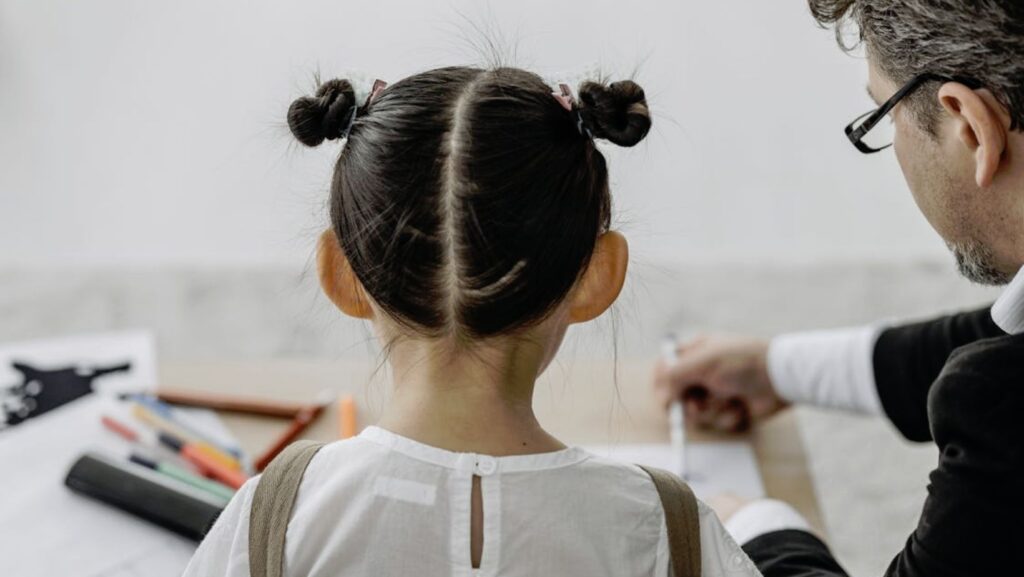
Kids go through ups and downs, but sometimes the changes you see last longer than a rough week. That is usually when parents start wondering if counseling could help.
You are not alone in that question. Many families look for guidance after noticing patterns that feel different from their child’s usual behavior. Here’s an overview of what to keep an eye on, and when to seek outside input.
1. Ongoing Sadness or Irritability
It is normal for kids to get moody, but if sadness or irritability sticks around for weeks, you may want to pay attention. Kids sometimes mask bigger feelings because they do not yet know how to express them.
In a report by NAMI, experts highlight how emotional shifts, behavioral changes, and sudden regressions often signal deeper stress. A counselor can help children put words to emotions and build tools for handling tough moments.
2. Excessive Worry or Fear
Some worry is part of growing up, but constant panic, bedtime fears, or separation anxiety may show that your child is overwhelmed. Excessive fear can be an early sign of anxiety that benefits from early attention.
Quick signs that worry may need support
- Repeated reassurance seeking
- Trouble sleeping alone
- Physical complaints like stomachaches
3. Sleep or Appetite Changes
If your child suddenly eats much more or much less, or they are wide awake at 2 a.m. night after night, emotional stress might be playing a role. A counselor can help identify what is fueling the change.
4. Social Withdrawal

Maybe your child used to enjoy sleepovers or playground time but now avoids friends. Pulling back from social activities can be a response to anxiety, depression, or stress from school or home. Counseling gives them a safe space to talk about what made the world feel less inviting.
You also need to keep an eye on the tech side of how kids socialize, as digital parenting is increasingly important.
5. Academic Decline
Grades that drop without an obvious cause can mean your child is struggling to focus. Sometimes the issue is emotional, not academic. A counselor can help uncover whether worry, sadness, or concentration difficulties are getting in the way.
This is also a good point to look for a local psychiatrist accepting new patients in your area, especially if the school has raised concerns or if you want an evaluation that goes beyond talk therapy. Early conversations can give you clarity and reassurance.
6. Frequent Tantrums or Emotional Outbursts
Younger children especially may show emotional overload through meltdowns. If tantrums happen daily or feel extreme for their age, counseling can help them learn emotional regulation skills that make life easier at home and school.
7. Talk of Self Harm
Even passing comments like I wish I was not here should be taken seriously. Nonprofit mental health organizations emphasize that any mention of self harm is a sign to seek professional help right away. Counselors are trained to respond with the right level of care and create a safety plan with your family.
8. Experimenting With Substances
For teens, curiosity can sometimes mix with pressure or stress. Early substance use can signal attempts to cope with overwhelming emotions. Counseling helps them explore what is underneath the behavior and build healthier habits.
9. Trauma or Major Life Changes
Events like divorce, moving, bullying, or the loss of a loved one can shake a child’s sense of safety. Even when kids seem fine on the surface, they might be struggling underneath. In a guide from MentalHealth.gov.gy, early emotional responses to trauma are identified as important to address with supportive care.
How trauma might show up
- Nightmares or bedwetting
- Clinginess
- New fears
10. Family Conflict That Does Not Get Better
If arguments at home feel constant or your child reacts strongly to everyday stress, a counselor can help everyone communicate more easily. Kids often internalize tension, and therapy gives them a neutral ally who helps them sort out confusing feelings.
Moving Forward With Confidence
If any of these signs sound familiar, trust your instincts. You know your child best. Counseling is not a last resort. It is a tool that helps kids learn resilience, express emotions, and build healthier connections.
Families who seek guidance early often find that small changes lead to big improvements. Consider checking in with trusted local providers or community based resources, and keep exploring supportive, parent friendly articles to stay informed as your child grows.